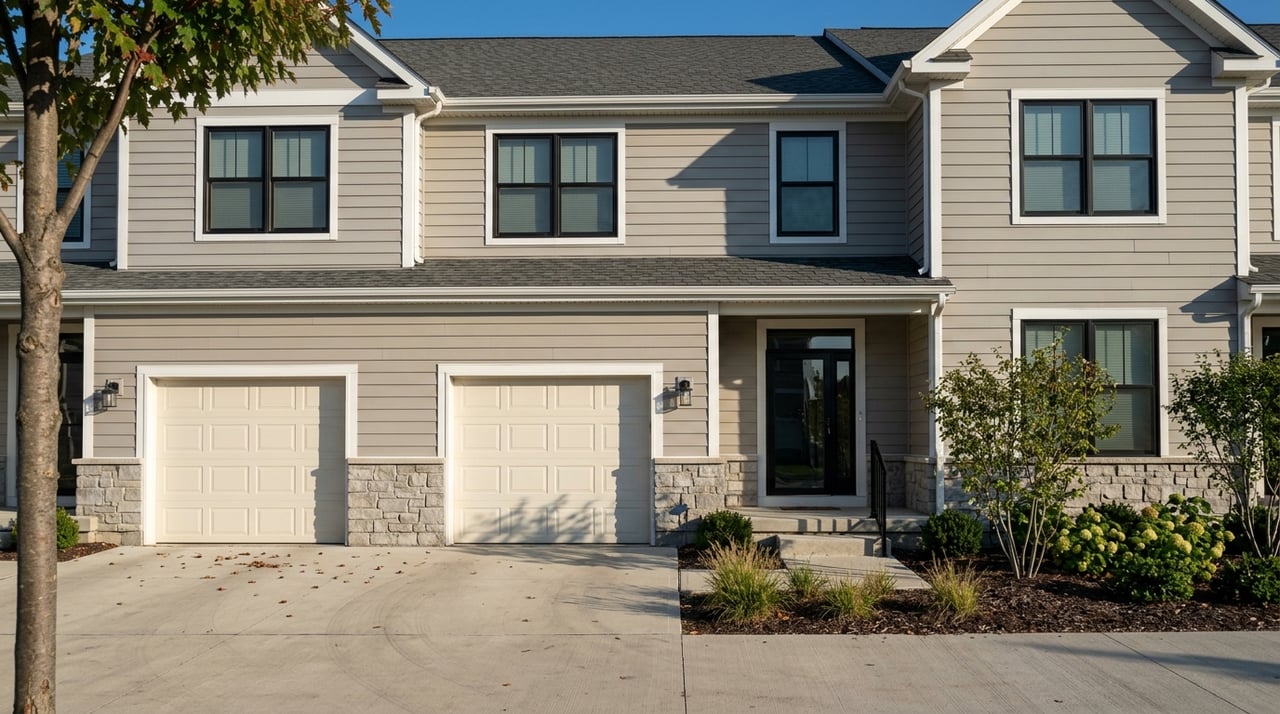
Trying to decide between a condo and a house near Penn State? In State College, that choice is about more than square footage or list price. You also need to think about borough boundaries, parking, rental rules, and what kind of daily routine you actually want. If you want a clearer way to compare your options before you buy, this guide will help you sort through the tradeoffs. Let’s dive in.
Why this choice is different in State College
Living near Penn State comes with a set of local details that can shape your decision fast. Penn State’s University Park campus sits at the center of a compact area, and the Borough of State College is only about 4.6 square miles.
That small footprint matters because a home with a State College mailing address may not actually be inside the Borough. It could be in a surrounding township, which can mean different local rules. If you are comparing a condo and a house near campus, that location detail can be just as important as the property type itself.
The market also stays competitive. Redfin reported a March 2026 median sale price of $481K in State College, with homes selling in about 5 days on average. In that kind of environment, it helps to think beyond purchase price and focus on how the property will support your lifestyle and long-term flexibility.
Transit is another local factor that can tilt the decision. CATA provides transportation within State College and to Penn State, including fare-free campus and downtown circulator service. That can make condo living, or any close-in location, more practical if you want a one-car or lighter-car lifestyle.
What a condo near Penn State offers
A condo often appeals to buyers who want a more streamlined way to live near campus. If you like the idea of less exterior upkeep, a smaller daily footprint, and easier access to walkable areas, a condo may feel like a natural fit.
For many buyers, the biggest benefit is convenience. Shared exterior maintenance and common-area management can reduce the number of day-to-day property tasks on your plate. That can be especially appealing if you are relocating, working long hours, or buying from out of the area.
Condo costs go beyond the mortgage
One of the most common mistakes buyers make is comparing a condo payment to a house payment without looking at the full monthly picture. Condo or HOA dues are usually paid directly to the association, and they can range from a few hundred dollars a month to more than $1,000.
That means your true monthly cost may include:
- Mortgage payment
- Condo or HOA dues
- Real estate taxes
- Insurance for your unit
- Any parking costs not included with the property
A condo can still be the right financial choice, but the cleanest comparison is total carrying cost, not just principal and interest.
Condo rules matter in Pennsylvania
In Pennsylvania, condo associations have real authority. Associations may adopt and amend rules, budgets, reserves, and assessments, and they can regulate shared areas.
In practical terms, that means you may gain convenience but give up some control. Dues can change over time, and special assessments may also be possible. Before you buy, it is important to understand not just the unit, but also the association documents and how the community is managed.
Condo insurance works differently
Insurance for a condo is not always as simple as buyers expect. Association fees usually include master insurance for common areas, but you still need insurance for the inside of your unit.
That creates a two-layer insurance setup. It is manageable, but you should not assume a condo automatically means fewer insurance decisions.
Parking can be a deciding factor
Near downtown and Penn State, parking deserves careful attention. Some condos include parking, but others may rely on borough permits, garage spaces, or separate parking arrangements.
State College Borough lists monthly downtown garage permits at $115 and $130, along with a $50 night permit and a $50 commuter permit. Availability and local rules can affect what is realistic, so it is smart to ask whether parking is deeded, assigned, permitted, or off-site.
Future rental plans need extra review
If you think you may rent the property later, a condo requires a closer look. In State College Borough, a rental housing permit is required for any unit occupied by someone other than the owner or the owner’s immediate family. Short-term rentals also require an additional license.
On top of that, a condo association may have its own rental rules. If future flexibility matters to you, both the borough rules and the condo documents should be reviewed before you commit.
What a house near Penn State offers
A single-family home usually makes sense for buyers who want more privacy, more storage, a yard, and more direct control over the property. If you want the freedom to manage your own space without a condo association overseeing common elements, a house may be the better fit.
This option often appeals to buyers who expect to stay longer, want room to spread out, or simply prefer a more traditional ownership setup. For some Penn State-affiliated buyers, that can mean a better match for work-from-home needs, hobbies, guests, or outdoor living.
More control usually means more upkeep
The tradeoff with a house is maintenance. Instead of sharing exterior responsibilities through an association, you are usually taking on more of the routine and unexpected upkeep yourself.
That can include exterior care, repairs, and planning for long-term replacement items. When you compare a house to a condo, it helps to budget both money and time for those responsibilities.
Parking may be easier, but check the details
A house often gives you a better chance at a driveway or garage, which can be a real advantage near campus. But it is not automatic, especially in close-in locations.
If a house depends on street parking inside the Borough, you still need to understand neighborhood permit rules and enforcement. State College’s residential permits require proof of vehicle ownership and proof of residence, and on-street parking rules can affect day-to-day convenience.
Rental flexibility is not unlimited
Some buyers assume a house gives them total freedom for future rental use. Near Penn State, that is not always true if the property is inside the Borough.
Rental housing requires a permit, and occupancy rules can limit how many unrelated adults can live in a one- or two-family dwelling. Properties intended for multiple unrelated students may also require a separate Student Home License. So while a house may offer more control, it is still important to match the property to your long-term plans.
Borough location may matter most
If you remember just one thing from this guide, make it this: ask whether the property is inside the Borough of State College or in a surrounding township. Because the postal area is larger than the municipal boundary, two homes with the same mailing address can come with different local rules.
That affects more than taxes. It can shape parking, rental permits, occupancy rules, and the kind of flexibility you may have later. For buyers who want to be near Penn State, this is one of the most important local details to confirm early.
Compare the true monthly cost
The best condo-versus-house comparison starts with total monthly carrying cost. That gives you a more realistic picture of what ownership will feel like after closing.
For a condo, your monthly budget may include:
- Mortgage payment
- HOA or condo dues
- Real estate taxes
- Unit insurance
- Parking costs, if separate
For a house, your monthly budget may include:
- Mortgage payment
- Real estate taxes
- Homeowners insurance
- A realistic maintenance reserve
Taxes matter in both cases, and the exact location matters a lot. Centre County notes that real estate taxes are based on assessed value, and the county, school district, and borough each levy taxes. State College Borough also offers a homestead exclusion for qualified owner-occupied primary residences, but you have to apply for it because it is not automatic.
Which option fits your lifestyle?
For many buyers, the best answer comes down to how you want to live. A condo often fits buyers who want low exterior maintenance, walkability, and easier access to campus or downtown amenities.
A house usually fits buyers who want more privacy, more storage, yard space, and more control over the property. Neither choice is universally better. The right fit depends on your routine, your budget, your tolerance for upkeep, and whether you may want to rent the property later.
A condo may be a better fit if you want:
- Lower exterior maintenance
- Walkability near downtown or campus
- Access to transit options
- A smaller, simpler daily footprint
- Less hands-on property management
A house may be a better fit if you want:
- More privacy
- More storage or living space
- A yard or outdoor area
- Easier on-site parking potential
- More direct control over the property
A smart way to narrow the decision
When you tour homes near Penn State, ask the same set of questions every time. That makes it easier to compare options clearly, especially in a fast-moving market.
Start with these:
- Is the property inside the Borough of State College?
- What is the full monthly cost, including dues, taxes, insurance, and parking?
- What parking comes with the property?
- If I want to rent later, what borough permits or occupancy rules apply?
- If it is a condo, does the association allow the flexibility I want?
Those answers can quickly tell you whether a property truly matches your goals, or just looks good at first glance.
If you are weighing condos and houses near Penn State, local detail makes all the difference. The right choice is not just about what you can buy. It is about what will work for your lifestyle, your budget, and your long-term plans in State College.
If you want buyer-focused guidance on comparing close-in condos, walkable homes, or properties in the surrounding townships, connect with Theresa Layton | Yocum Real Estate Centere. You will get thoughtful local insight and responsive support as you sort through your options.
FAQs
What should you compare when choosing a condo or house near Penn State?
- Compare the full monthly cost, not just the mortgage. That includes taxes, insurance, parking, and condo dues or a maintenance budget.
Why does Borough of State College location matter when buying near Penn State?
- A State College mailing address does not always mean the property is inside the Borough, and borough location can affect taxes, parking rules, rental permits, and occupancy limits.
What are condo fees like in State College?
- Condo or HOA dues are usually paid separately from the mortgage and can range from a few hundred dollars a month to more than $1,000, depending on the property and association.
Can you rent out a condo or house near Penn State later?
- Possibly, but if the property is in State College Borough, rental housing permits are required, short-term rentals need an additional license, and condo associations may also have their own rental rules.
Is parking easier with a house than a condo near Penn State?
- Often yes, especially if the house has a driveway or garage, but some close-in houses still depend on street parking and borough permit rules.
Is a condo or house better for a one-car lifestyle in State College?
- A condo or other close-in property may be a stronger fit if you want a lighter-car lifestyle, since CATA provides transportation within State College and to Penn State, including fare-free campus and downtown circulator service.