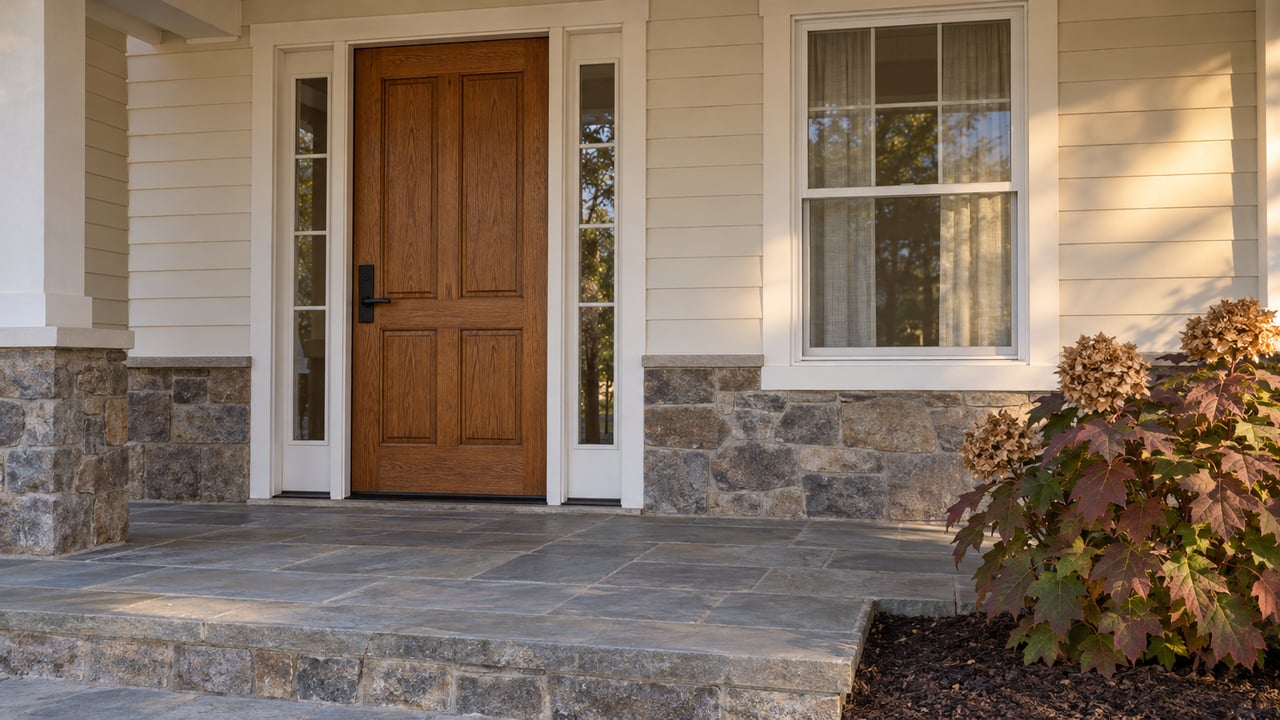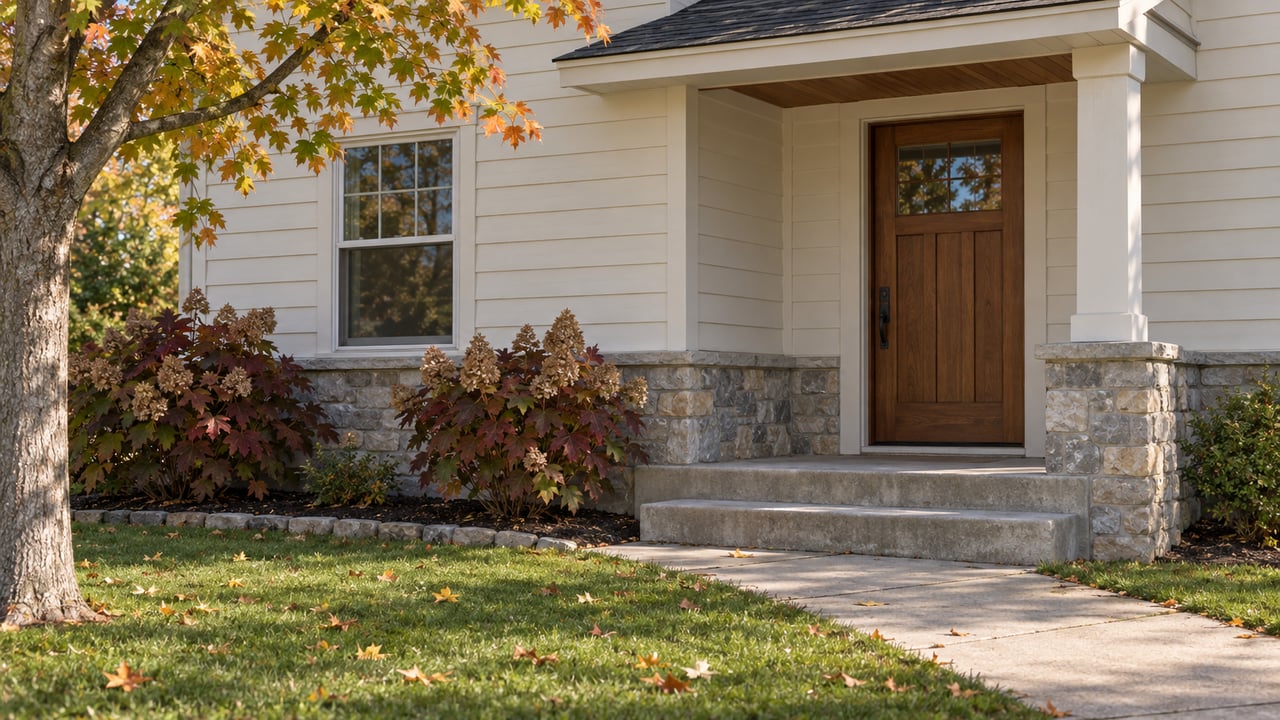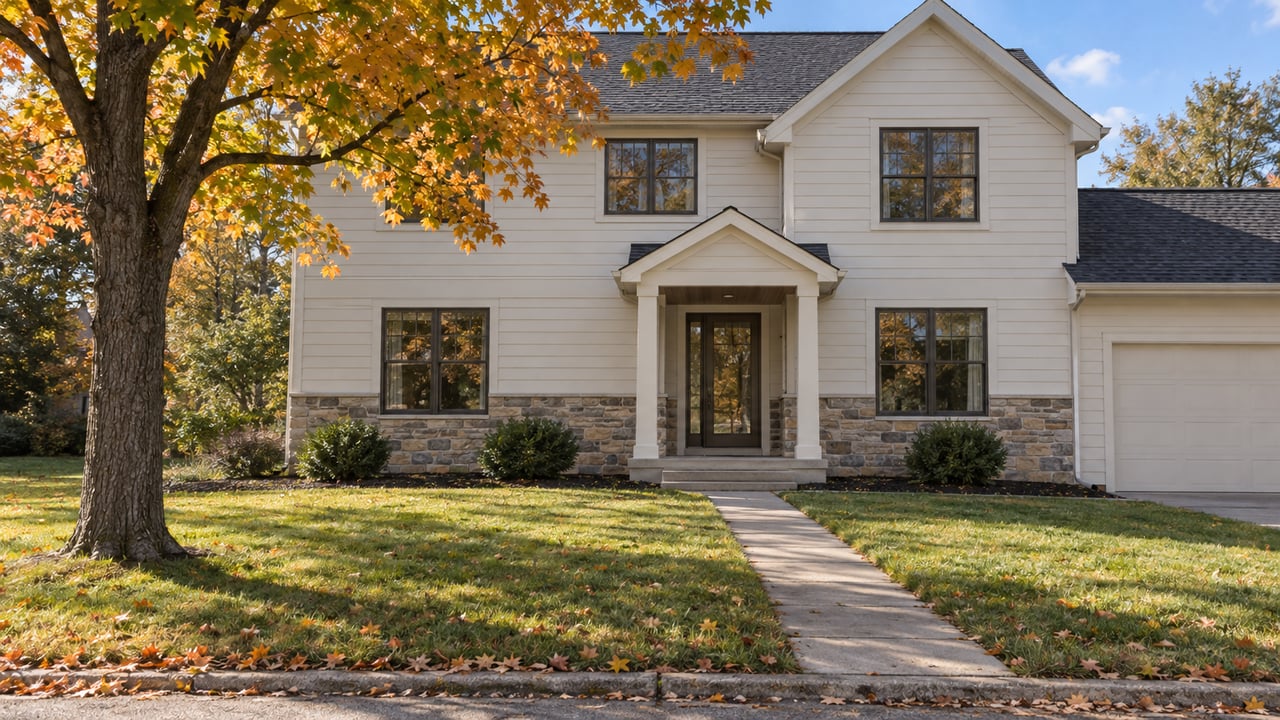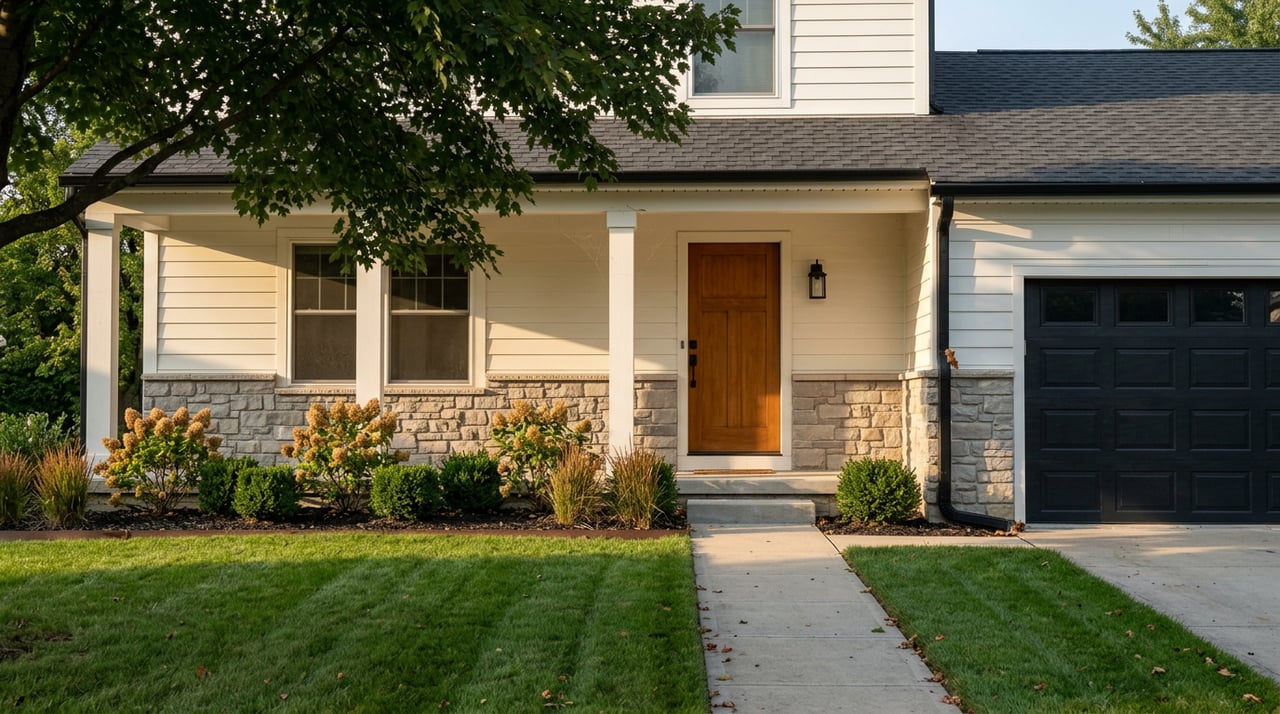
Walk down a street in Highlands or College Heights this month and you can usually guess which houses are owner-occupied before you see a single listing sheet. One has a single doorbell, a trimmed lawn, and a car or two in the driveway. Two doors down, the same 1920s Foursquare has four doorbells stacked by the frame, a widened gravel pad for extra parking, and a row of recycling bins that suggests more than one household inside.
Buyers touring these neighborhoods often assume the price gap between those two houses comes down to updates, or a finished basement, or a better roof. Sometimes it does. But a fair amount of the time, the real difference is a piece of paper neither house will show you on a walkthrough: a Student Home License, and the decades-old occupancy rule that makes that license scarce.
The Rule Behind the Curb Appeal
The Daily Collegian reported that State College Borough has capped how many unrelated people can share a single-family or two-family home since 1979, when the borough adopted what's still known locally as the three-unrelated-person rule, which allows only three unrelated people living together in one single-family home, even if the home has more bedrooms than that. The current zoning code still enforces the limit directly: occupancy in a one-family or two-family dwelling used as a student home cannot exceed three unrelated persons.
In 2013, the Borough layered a licensing system on top of that rule. Any one or two-family home occupied by more than one unrelated student now needs a Student Home License, and new licenses can't be issued just anywhere. A new student home has to sit a set distance from any existing one, calculated by multiplying nine times the minimum lot width required in that zoning district. In practice, that spacing formula freezes the map. Once a block fills up with licensed homes, no more can legally join it, and once a lot loses its license, getting a new one nearby gets harder, not easier. The code also requires a minimum of two off-street parking spaces per dwelling unit for a licensed student home, which is exactly why so many of these houses show a widened driveway or a poured gravel pad that a single-family home next door simply doesn't need.
That license does travel with the property. An existing Student Home License can transfer to a new owner through an approved application, and the Borough keeps a searchable Student Homes Dashboard so a buyer can check a specific address before writing an offer.
Before you tour a home in this corridor, it's worth confirming a few things directly with the listing agent or the Borough:
- Whether the property currently holds an active Student Home License
- Whether that license would transfer to you as the buyer, or lapse if the use changes
- Whether the lot sits close enough to other licensed homes that a new license would even be possible if you wanted one later
- Whether the property is inside one of the borough's historic districts, which can add its own layer of review on top of zoning
Same Zip Code, Two Different Markets
This is where the license mechanism starts showing up in the numbers, and where the neighborhoods diverge from each other more than a shared zip code would suggest.
Highlands, one of the most walkable pockets on the eastern side of Atherton Street, has a renter-occupied share reported at roughly nine in ten households, a pattern consistent with a neighborhood where licensed student rentals dominate the ownership mix. Over the trailing twelve months, Highlands' median sale price fell by about 5 percent, even as the Borough's own median home value rose by roughly 5 percent over the twelve months ending in June 2026. That's not a neighborhood losing value the way a struggling market loses value. It's a submarket where most transactions are investors trading licensed rental income streams among themselves, priced off rent rolls and cap rates rather than the owner-occupant bidding wars playing out elsewhere in town. Borough-wide, the pace of those bidding wars has actually picked up this year, with the median sale price reaching $459,000 and the typical home selling within five days over the three months ending in May 2026.
Compare Highlands to College Heights, immediately north of campus, where most of the housing stock is reported to be owner-occupied even though the neighborhood's average rents run higher than roughly 87 percent of Pennsylvania neighborhoods. Homes here were largely built between 1940 and 1969, sit inside a designated historic district, and were designed in significant numbers by Clarence Bauchspies, a Penn State architecture faculty member whose work fills more than a dozen College Heights lots. A short walk away, in the Holmes-Foster-Highlands Historic District, several of the Tudor cottages and Colonial Revivals were designed by another Penn State architecture instructor, H.O. Smith, for Penn State faculty members settling near the university that employed them.
That history matters for a present-day buyer because it explains the tension driving today's zoning debate. These streets were built as faculty neighborhoods, owner-occupied by design. The licensing system that grew up decades later didn't erase that character everywhere, but it did convert parts of it, one grandfathered or newly licensed lot at a time, into a parallel rental market that now prices very differently than the family-home market next to it.
| Neighborhood | Typical Occupancy | Housing Character | Recent Price Signal |
|---|---|---|---|
| College Heights | Majority owner-occupied | 1940s-60s single-family in a designated historic district, many built by Penn State faculty | Average rents outpace roughly 87 percent of PA neighborhoods, but sales still track owner-occupant demand |
| Highlands | Roughly nine in ten units renter-occupied | Early 1900s Foursquares, Tudors, and Colonial Revivals, several by Penn State architecture instructor H.O. Smith | Median sale price fell about 5 percent over the trailing twelve months |
| Borough-wide | Mixed | Downtown condos to suburban single-family and country properties | Median value up about 5 percent over the twelve months ending June 2026, with faster short-term gains this spring |
The Rewrite Happening This Summer
None of this is static. State College Borough Council, working with the planning firm Clarion Associates, has spent the past year rewriting its entire zoning code, and the draft moving through review right now is explicitly aimed at rebalancing student housing against long-term, non-student housing. AOL News reported that Council advanced a revised draft in June 2026 for statutory review by county and regional planning bodies, with four neighborhood meetings running from July into this month, a public hearing tentatively set for November, and adoption to follow after that.
The draft would allow buildings along College Avenue in the Downtown Central district to rise as high as nine stories, with West College Avenue permitted up to seven stories before stepping down to three stories near Calder Way and Beaver Avenue, and two stories closer to the single-family blocks. State College.com reported that the draft would allow triplex and quadplex construction in districts where only single-family and duplex uses are currently permitted. It would also introduce deed-restricted units on certain floors that would prohibit student occupancy entirely, an attempt to guarantee some new housing stays available to long-term residents no matter how the market behaves.
Borough planning director Ed LeClear was candid about the risk that the incentive doesn't work as intended: the market only wants to build student housing in the Borough, based on what his department sees from a planning standpoint, so council will have to adopt the ordinance and then watch how developers actually respond. Council member Gopal Balachandran raised a related concern during debate, warning that if the zoning map advances as drafted, the Hiester Street plaza, including the restaurant Manny's, would effectively be zoned out of its current character. Another council member, Venegoni, argued the draft still doesn't do enough to create real homeownership paths for workforce and middle-income buyers. Resident Cynthia Carpenter told council that new triplex and quadplex units would likely become out-of-area investment rentals rather than family homes, echoing the same dynamic already visible in Highlands.
For a buyer, the practical takeaway isn't which side of that debate is right. It's that the scarcity currently propping up licensed rental values near campus is a policy choice under active review, not a fixed feature of the map. If the new ordinance makes it easier to build multi-unit rental housing in other districts, some of the pressure that currently pushes rental conversion onto streets like Highlands could ease, and the premium attached to an existing Student Home License could shift with it.
What This Means If You're Touring This Fall
If you're comparing a licensed rental-adjacent home to an unlicensed owner-occupant home in the same neighborhood, you're not just comparing square footage. You're comparing two different buyer pools, two different appraisal logics, and two different exposure levels to a zoning rewrite that hasn't finished yet. A house without a license today could gain more long-term value if the new ordinance succeeds in shifting rental pressure elsewhere. A licensed house could hold its investor-driven price, or it could see that premium erode if the spacing scarcity that created it in the first place gets diluted by new multi-unit zoning nearby.
Either way, the question worth asking before you write an offer isn't just what the house looks like. It's what the parcel is allowed to become, and how close that answer might be to changing.
A Few Questions Worth Asking Directly
Does a Student Home License transfer automatically when a property sells? No. The new owner has to submit a transfer application to the Borough. It's a short process, but it isn't automatic.
How do I check whether a specific address has an active license? The Borough maintains a public Student Homes Dashboard, and the Zoning Officer's office can confirm a property's current status and its zoning district before you're too far into a transaction to walk away easily.
If you're weighing a home near campus against one in a quieter Centre County township, or trying to figure out what a listing's zoning history actually means for resale, that's exactly the kind of question worth working through with someone who tracks this market day to day. Theresa Layton works these neighborhoods alongside Yocum Real Estate Centre's broader land and commercial expertise, and would be glad to help you read a property's zoning file before you fall for its curb appeal. Let's Connect.
This article is general information, not legal, tax or financial advice. Consult a qualified professional about your situation.