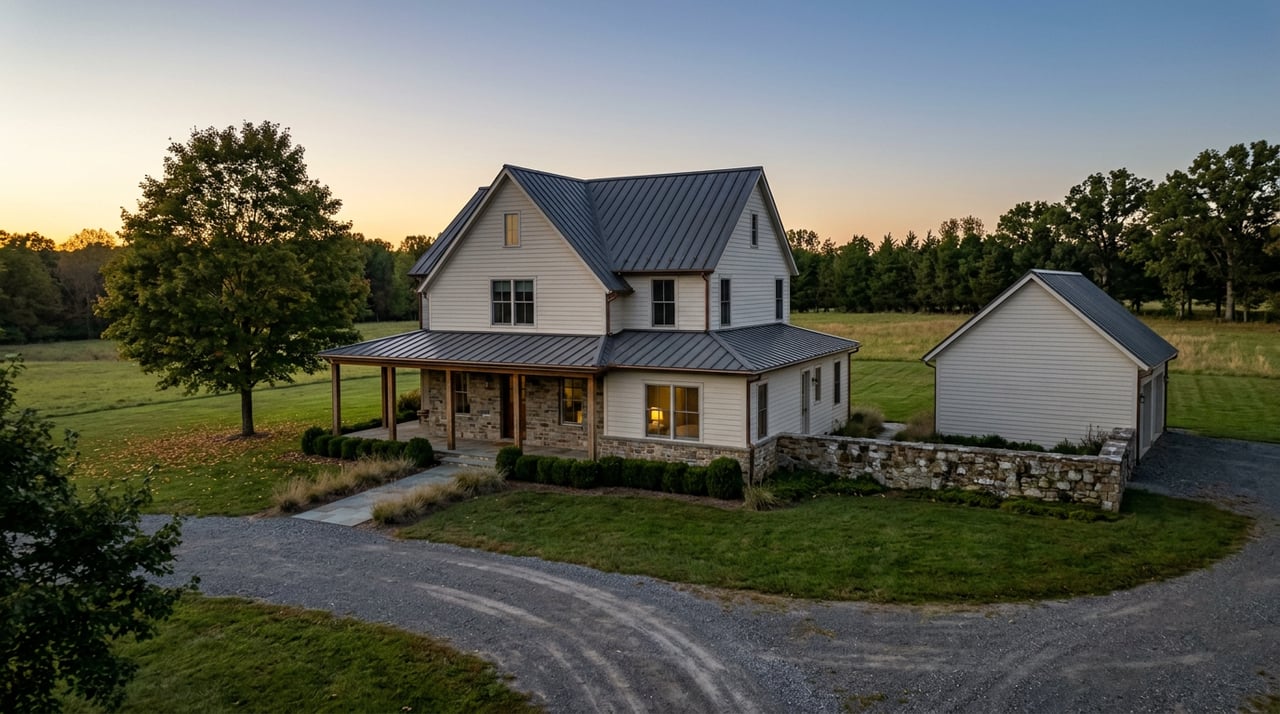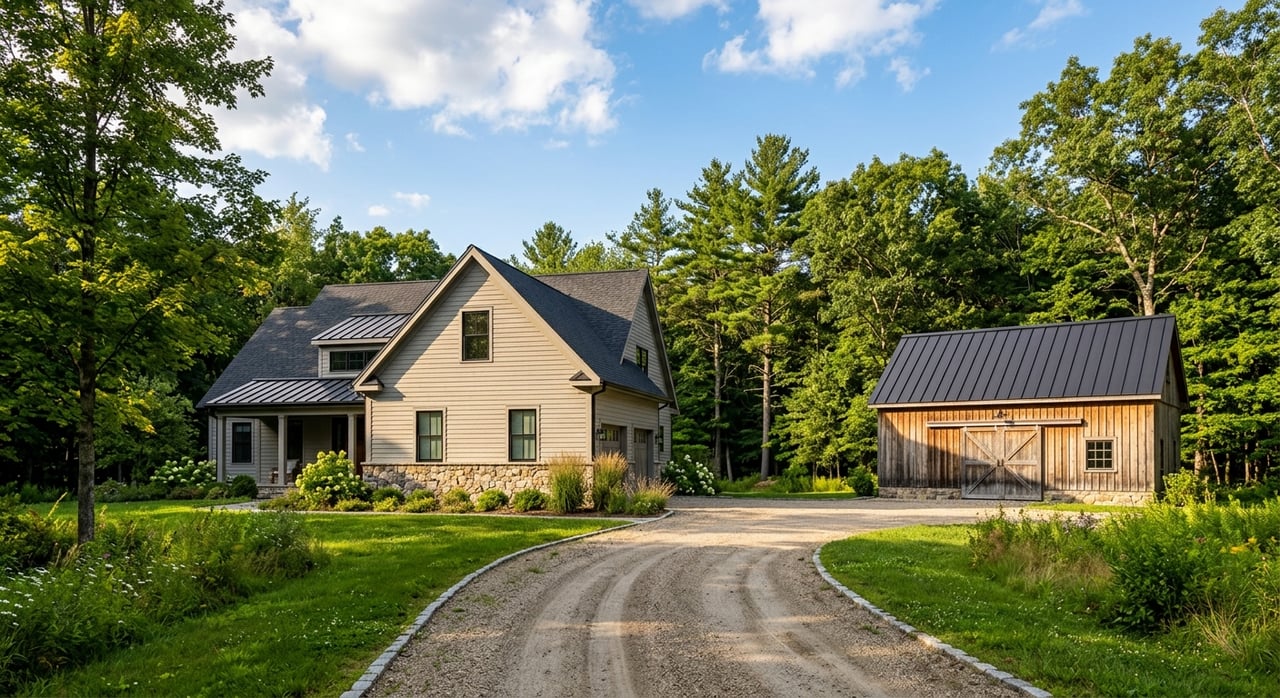
Picture your mornings with pasture views, a small barn, and room to garden or ride. Buying acreage or a hobby farm near Centre Hall can make that vision real, but country properties come with a different checklist than in-town homes. In this guide, you’ll learn how to evaluate soils, wells, septic, access, and local programs so you buy land that truly fits your plans. Let’s dive in.
What to expect around Centre Hall
Parcels and landscape
Around Centre Hall, you’ll see smaller lots in the borough and larger tracts in the surrounding valleys and on ridge slopes. Usable acres vary a lot by terrain and soils. Valley-floor ground often offers gentler slopes and better farm potential, while wooded slopes can limit pasture and septic options. Before you tour, use the NRCS Web Soil Survey to preview soil types and any hydric (wet) flags on a parcel.
Lifestyle goals that drive the search
Many buyers here want space for a few horses, chickens, or gardens. Others look for quiet acreage with privacy, views, and room for a future barn or workshop. Whatever your goals, focus on usable open acres, trailer-friendly access, and realistic build sites. If equestrian use is on your list, pay close attention to drainage, pasture layout, and turnout areas.
Land and home basics to check
Soils and slope
Soils drive what you can build and grow. Hydric soils, shallow bedrock, or steep slopes can complicate septic approvals and raise building costs. Start with the NRCS Web Soil Survey for a quick read on soil map units and known constraints. If the map suggests challenges, bring in a soil scientist for on-site verification.
Private wells and water quality
Most rural parcels rely on a private well or spring. There is no statewide requirement to test private wells, so it is up to you to verify water safety and well performance. Ask the seller for any well records, then order an independent test for bacteria and nitrates. Penn State Extension outlines best practices for sampling and maintenance in its private well guidance. If the well’s reported yield is marginal, budget for improvements or a new well.
Septic systems and Act 537
On-lot sewage permits are issued at the municipal level by a Sewage Enforcement Officer (SEO) under Pennsylvania’s Sewage Facilities framework. The SEO’s site evaluation and your township’s rules determine if a conventional, mounded, or engineered system will be required. Review the Act 537 basics and permit process in the DEP’s sewage planning document. For improved properties, require an inspection and pumping report. For vacant land, make a soil/site evaluation and a tentative SEO opinion a condition of your offer.
Wetlands and floodplain
Wetlands and FEMA flood zones can remove usable acres and trigger extra permits for barns, arenas, or grading. As a first screen, review the county’s PASDA layers and FEMA mapping referenced in regional planning documents. Start with Centre Hall’s GeoPDF on PASDA to orient yourself to mapped features, then engage a wetland professional if you plan earthwork near flagged areas. See the county GeoPDF via PASDA here.
Road access and driveways
If your driveway connects to a state highway, PennDOT may require a Highway Occupancy Permit with design standards. For township or private roads, confirm who maintains the road and whether a private road agreement exists. PennDOT’s rules are summarized in Publication 282. Legal access and clear maintenance responsibilities should be verified before you write an offer.
Utilities and broadband
Expect to plan for an electric service extension and propane or LP for heat. Broadband availability varies by address, so check each property with provider maps and county resources. For work-from-home needs, confirm speeds and installation timelines in writing.
Mineral rights and oil/gas activity
In central Pennsylvania, mineral rights can be owned separately from the surface. Recorded oil or gas leases may allow subsurface development that affects how you use the land. Check the PA DEP’s Oil & Gas Mapping tool for known wells or permits near a parcel, and have your title company search for any reserved mineral rights.
Equestrian-specific notes
Horse properties need dry, well-drained turnout and a plan for rotational grazing and manure management. Pasture species matter too. Tall fescue with endophyte can pose risks to broodmares, and mud control protects both horses and soil. Penn State Extension offers practical field guidance, including this equine pasture resource.
Rules and programs that affect value
Zoning and permitted uses
Each municipality sets its own zoning rules for lot size, accessory structures, and allowed agricultural uses. Before you fall in love with a parcel, confirm what is permitted for barns, arenas, farm stands, or boarding. For Centre Hall Borough, start with the zoning page and contact the zoning officer listed there. For surrounding townships, check each township’s zoning office.
Clean & Green tax assessment
Pennsylvania’s Farmland and Forest Land Assessment, known as Clean & Green, can lower your property taxes if land is used for agriculture, forest, or open space. Enrollment and acreage rules apply, and removing land from the program can trigger rollback taxes. Learn the basics and confirm parcel eligibility with the county assessor using the state’s Clean & Green overview.
Farmland preservation and ASAs
Centre County’s Purchase of Agricultural Conservation Easements (PACE) program permanently protects farmland through conservation easements. Parcels in Agricultural Security Areas (ASAs) and with the right soils may be eligible. Easements limit future development, which preserves agriculture but can impact subdivision options. Review program details and check parcel status on the county’s Agricultural Land Preservation page.
Right-to-Farm context
Pennsylvania’s Right-to-Farm laws help protect normal agricultural operations from some nuisance claims. If you are moving near working farms, expect seasonal noise, odors, and traffic that come with agriculture. For any disputes or questions, seek legal guidance.
Financing, insurance, and budget basics
Lending paths for acreage
Financing often depends on how the property is improved. Conventional mortgages work for most homes on acreage. Raw land or large farm components may require a land loan or a specialized farm lender. Some rural addresses may qualify for USDA Rural Development financing, so check eligibility early in your search. Expect larger down payments and shorter terms for raw land.
Insurance and liability
Budget for the right coverage. Along with standard dwelling insurance, you may need farm liability if you keep livestock or operate a small farm business. If mapping shows flood risk, consider a flood policy. Equestrian owners often carry additional liability coverage.
Ongoing costs to plan for
- Fence installation and repair
- Pasture renovation, hay, and feed
- Manure storage or removal
- Barn, arena, and driveway upkeep
- Well and septic maintenance
- Utility extensions and service upgrades
Your due-diligence roadmap
Quick checks before you tour
- Pull soils and hydric indicators using the NRCS Web Soil Survey.
- Scan wetlands and floodplain areas with the county’s PASDA mapping GeoPDF.
- Confirm legal access, road ownership, and whether a PennDOT driveway permit could be required. See Publication 282.
- Ask if the property is enrolled in Clean & Green and request documentation. Review the state overview.
- Check for nearby oil or gas activity using the PA DEP Oil & Gas Mapping tool.
Smart contingencies for your offer
- Boundary or ALTA survey
- SEO site/soil evaluation and septic feasibility under Act 537
- Well inspection and independent water test for bacteria and nitrates per Penn State Extension guidance
- Title review for mineral reservations, easements, and any PACE easement language
- Wetland or floodplain field verification if you plan grading, a barn, or an arena near mapped features
When to bring in the experts
- Municipal zoning officer for permitted uses and setbacks. Start with Centre Hall Borough zoning and contact the relevant township if outside the borough.
- Sewage Enforcement Officer or a licensed septic designer to evaluate percolation and replacement area options under Act 537.
- Licensed well driller and a state-certified lab for water testing per Penn State Extension’s well practices.
- Surveyor for boundary and topographic mapping.
- Soil scientist for complex soil or drainage questions.
- Title company or real estate attorney for mineral rights and easement review.
How Theresa guides acreage and small-farm buyers
Buying land with wells, septic, and potential easements takes a steady plan. You get a hands-on advocate who knows Centre Hall, Penns Valley, and the details that matter to equestrian and small-farm buyers. From pre-offer screenings and local SEO coordination to water testing, surveys, and title review, you have a responsive guide who manages the process while you focus on the lifestyle you want.
Ready to explore acreage or a small farm near Centre Hall? Reach out to Theresa Layton | Yocum Real Estate Centere to talk through your goals and next steps.
FAQs
What is Clean & Green, and how could it affect my taxes?
- Clean & Green is Pennsylvania’s preferential assessment for land in agricultural, forest, or open space use. It can lower taxes, but removing land from the program can trigger rollback taxes. Confirm status with the county assessor using the state overview.
How do I know if a property can support a septic system near Centre Hall?
- Your municipality’s Sewage Enforcement Officer evaluates soils and site conditions under Act 537. Include a site/soil test and a tentative SEO opinion in your offer. Review the DEP’s Act 537 framework.
What should equestrian buyers look for in pasture and turnout?
- Prioritize drainage, rotational grazing layout, and safe footing. Manage mud, plan manure storage, and evaluate forage species. Penn State Extension’s equine pasture resource is a helpful primer.
How do mineral rights or oil and gas leases affect my purchase?
- Mineral rights may be severed, and recorded leases can allow subsurface activity. Check the PA DEP Oil & Gas Mapping tool and have your title company search for reserved rights.
Do I need a permit to add a driveway on a rural property?
- If the driveway connects to a state road, you will likely need a PennDOT Highway Occupancy Permit. For township or private roads, confirm maintenance responsibilities. See PennDOT Publication 282 for details.