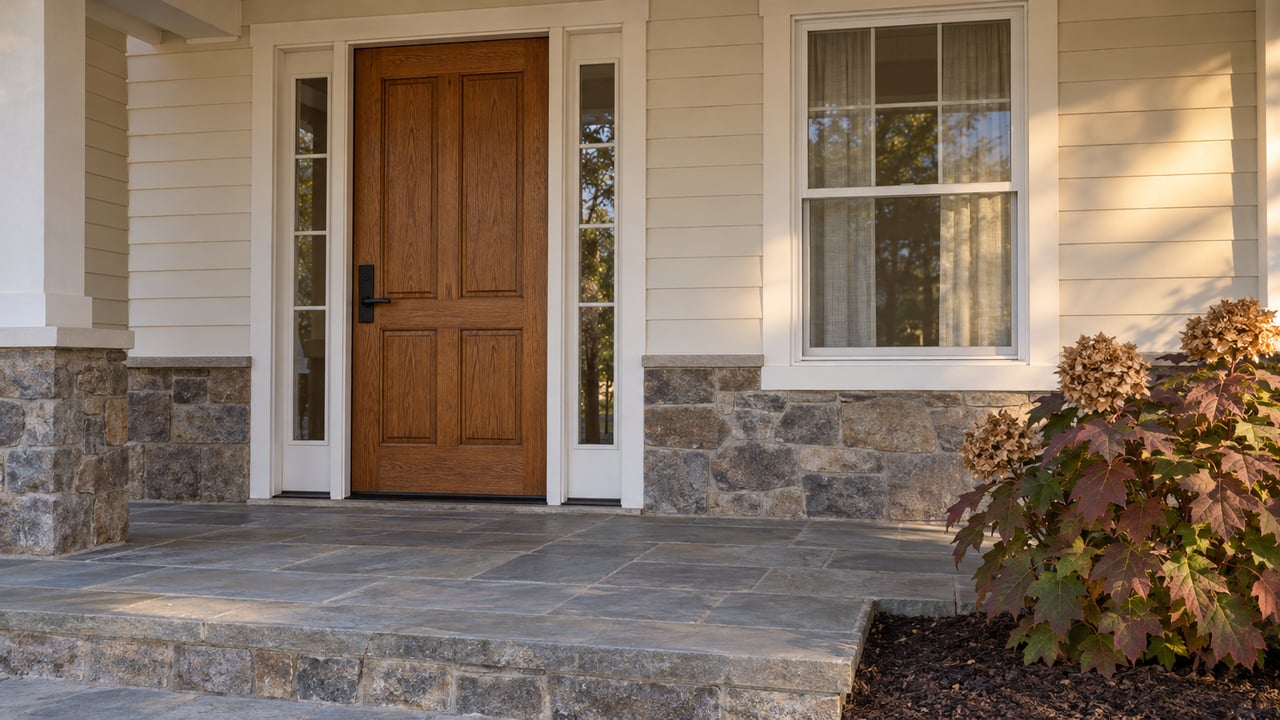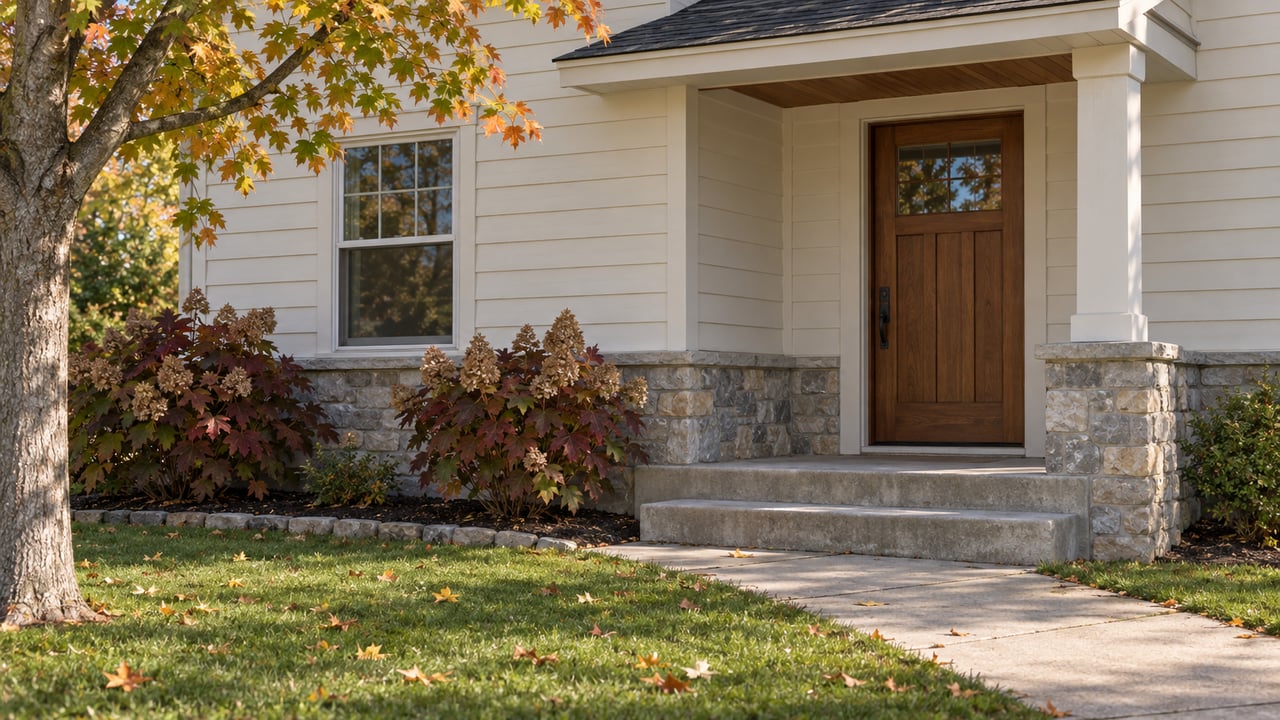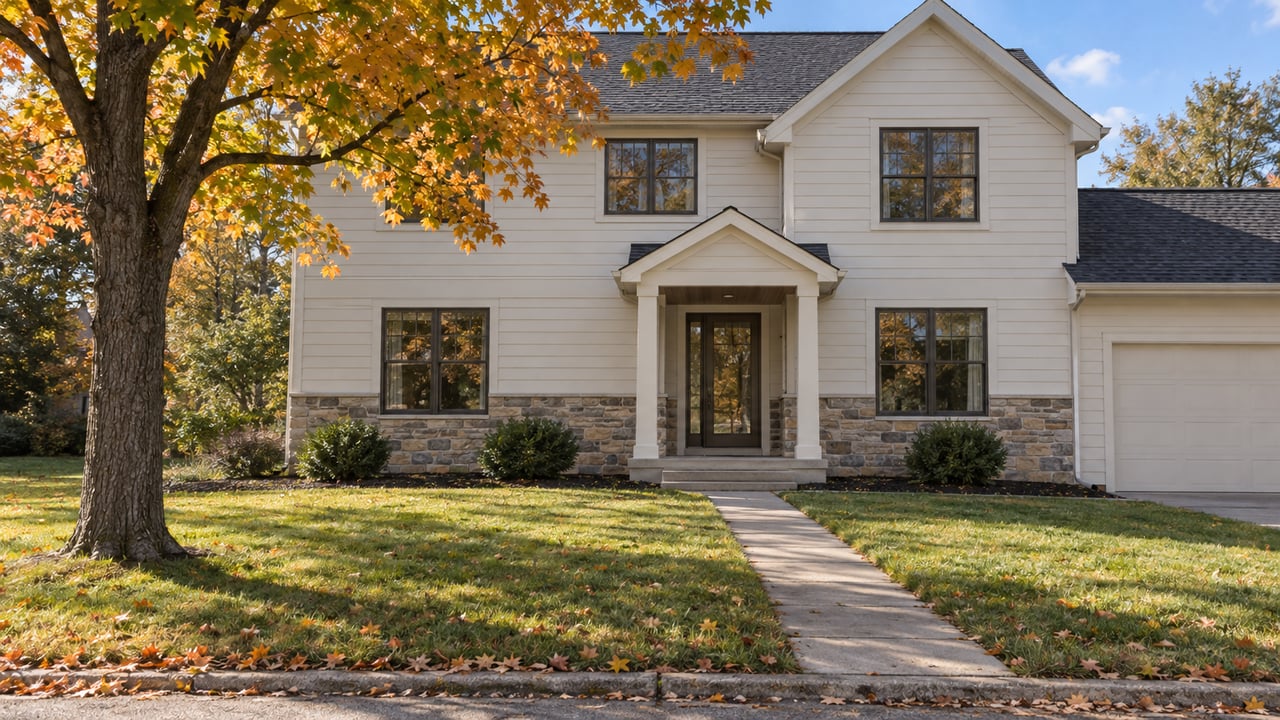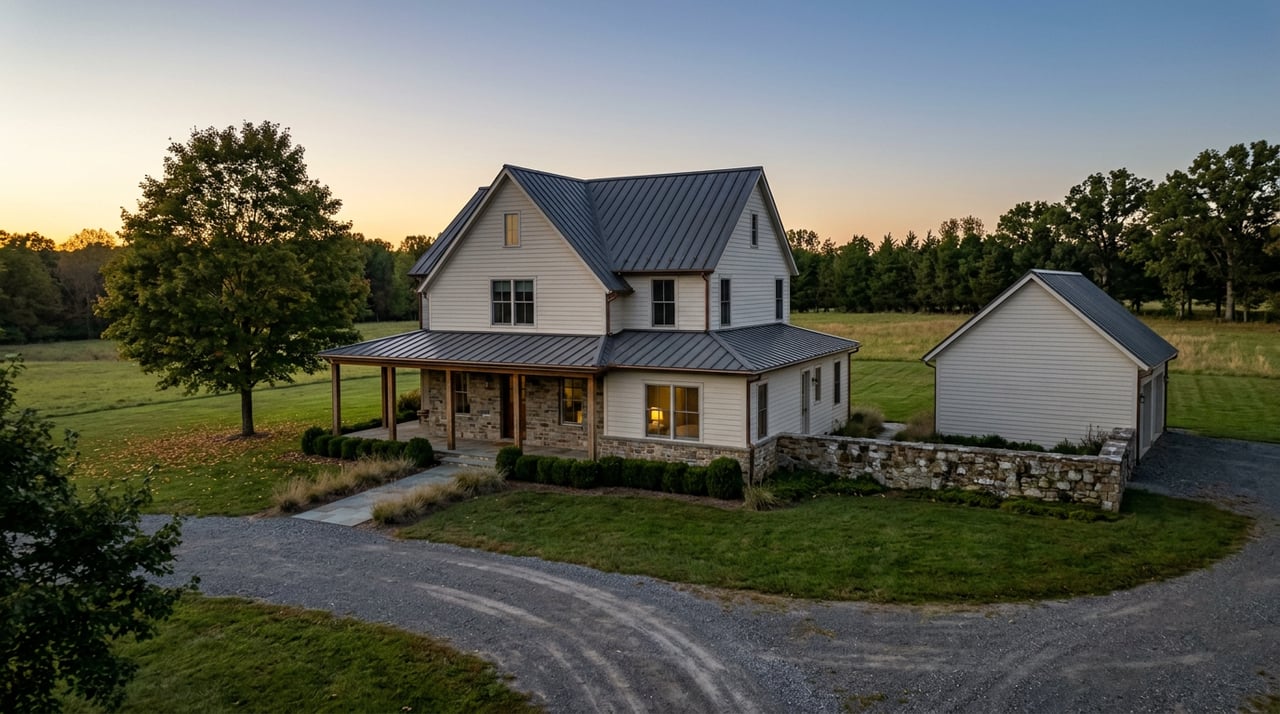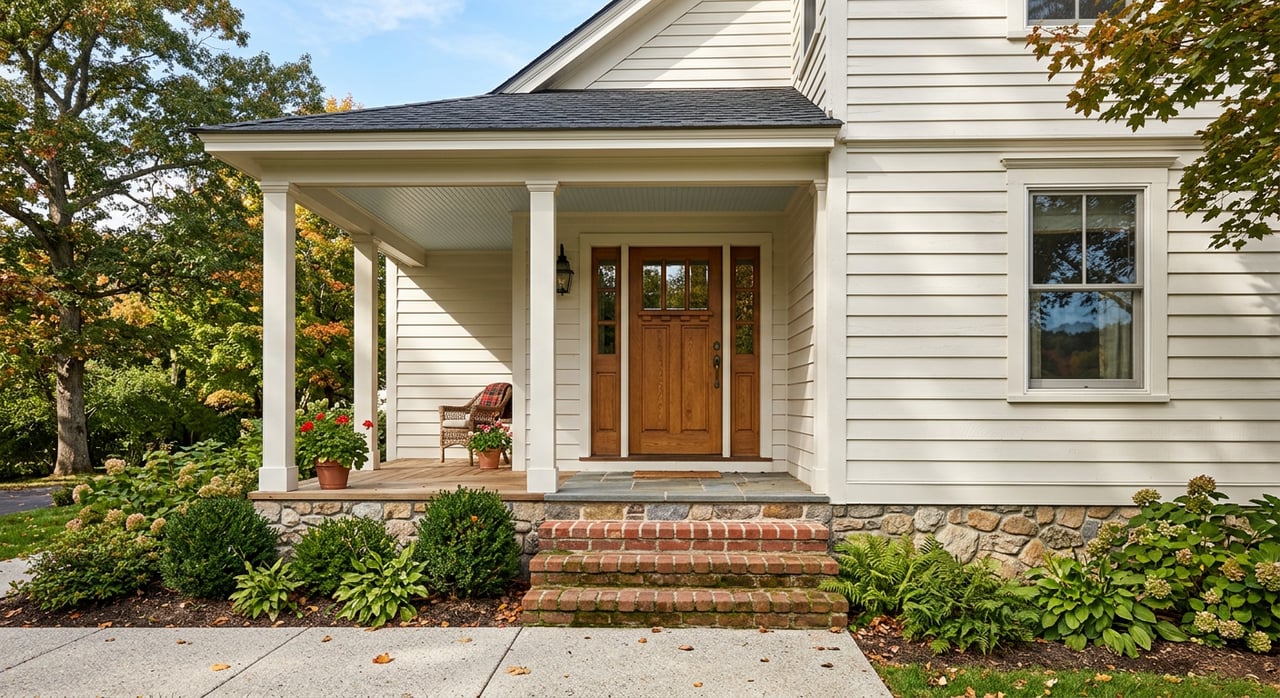
Love the patina of a 19th-century porch on West Main, yet tempted by the easy living of a 2000s open plan with a big yard? You are not alone. Many Boalsburg buyers weigh historic character and walkability against lower maintenance and modern layouts. In this guide, you will compare what truly matters in Boalsburg: layouts, systems, lots, zoning, amenities, and resale. You will also get simple checklists and a clear decision framework so you can move forward with confidence. Let’s dive in.
Boalsburg at a glance
Boalsburg sits a few miles southeast of downtown State College and Penn State, centered around the village “Diamond” and a National Register historic district that preserves many 19th-century buildings. You can read more about the district’s background and significance in the Boalsburg Historic District listing on Wikipedia. The housing stock ranges from early village homes to midcentury houses and newer subdivisions from the 1990s through recent years. That range is why the “older charm vs newer convenience” question is so common here.
What you trade off
- Older village homes: character, unique details, smaller or irregular lots, close to the Diamond and local spots.
- Newer homes and subdivisions: open plans, attached garages, larger and more regular lots, newer systems with fewer near-term projects.
Layout and livability
Older village homes
Older properties near the historic core often include compartmentalized rooms, formal living and dining spaces, and kitchens that may be smaller unless renovated. Expect high ceilings, original trim, built-ins, and room sizes that are not always standard. Bathrooms per bedroom typically trail modern norms, which matters if you need a primary suite or multiple full baths.
Newer homes and subdivisions
Newer homes around Boalsburg usually feature open kitchen and family areas, larger primary suites with walk-in closets, and abundant storage. Attached garages are common. Wiring and plumbing layouts tend to support today’s tech and appliance needs, and newer attached options may trade yard size for lower exterior upkeep.
Maintenance and systems
What to expect in older homes
Older homes can be wonderful, but plan for targeted due diligence. You may encounter legacy electrical like knob-and-tube, older panels, or ungrounded outlets that warrant evaluation by a licensed electrician. For an overview of older wiring concerns, review this summary on common electrical hazards in older houses. Pre-1978 homes can include lead-based paint, and some vintage materials may contain asbestos. The EPA’s Renovation, Repair and Painting guidance explains the health and compliance basics for older homes and renovations. Learn more about RRP and lead safety from the EPA.
What to expect in newer homes
Newer construction usually brings modern mechanicals and code-level insulation and air sealing, which reduces short-term replacement risk and can improve efficiency. Still, brand-new homes may have punch-list items or workmanship issues, so an independent inspection is wise. If efficiency matters, third-party verifications like HERS or ENERGY STAR add clarity. See how ENERGY STAR programs support efficient new homes on the ENERGY STAR site.
Lot size, trees, and zoning
Village lots and overlays
Lots in the village core often feel intimate and irregular, with mature trees and historic streetscapes. Harris Township’s zoning defines a “village lot” type with a minimum of 7,500 square feet, which shapes what you can add or build. You can review minimums and definitions in the Harris Township code. If a property sits in or near the historic district, there could be local historic resource review for exterior changes. The National Register listing itself is largely honorific, but plan to confirm any local design standards early.
Subdivision lots and mapping checks
Many newer Boalsburg-area subdivisions offer larger, more regular parcels. Because Boalsburg straddles municipal boundaries, confirm the governing township and applicable rules before planning additions or accessory buildings. Reference the College Township zoning chapter to understand district regulations in that jurisdiction here: College Township code. For any address, verify lot size, floodplain, and soils using the Centre County GIS and parcel viewer. These tools help you confirm details that affect value, insurability, and future plans.
Amenities and commute
If you love a walk to local history and small-town events, the village core puts you near the Boal Mansion and the Boalsburg Heritage Museum. Blue Spring Park, maintained by Centre Region Parks and Recreation, offers a neighborhood green space and playground. You can review its amenities via CRPR’s Blue Spring Park page. The community also features growing local businesses, eateries, and a small-batch brewing scene. Whether you choose an older home near Main Street or a newer subdivision on a larger lot, you are only a short drive to State College and the Penn State campus.
Schools and utilities basics
Properties in Boalsburg are generally within the State College Area School District. For long-term facilities context, SCASD shares plans and historical updates on its facilities site. Confirm exact school assignment for any address through official channels. Also verify whether a home is on municipal water and sewer or private well and septic, since that can affect maintenance and inspection needs.
Pricing, comps, and resale
Why online prices vary
You may see very different numbers when you compare platforms. Recent snapshots have shown median or typical values ranging from the mid $400,000s to the $800,000s, depending on methodology and timing. Boalsburg is a small market, so a few high or low sales can swing the median. Use those dashboards as rough context only, then rely on fresh local comps and parcel-level analysis.
Resale considerations in Boalsburg
- Proximity to the village core and parks can support demand for older homes with character, especially when major systems are updated.
- Newer homes with open plans, modern kitchens, and larger yards often appeal to today’s broader buyer pool.
- For either path, documented maintenance, permitted renovations, and clear disclosures help protect value.
At the showing: older home
- When was the roof last replaced? Ask for receipts and permits.
- Do you have documentation for HVAC, water heater, and the electrical panel?
- Any history of structural repairs or water intrusion? Request invoices and contractor names.
- Has the home been tested for lead-based paint or asbestos if built before 1978? Review EPA RRP disclosures. See EPA lead guidance.
- Were major renovations permitted? Verify with township records.
At the showing: newer home
- Is there a builder or manufacturer warranty, and what does it cover?
- Have final inspections passed? Are any punch-list items open?
- Who maintains common areas if there is an HOA, and what are the fees?
- Is the home ENERGY STAR or HERS rated? Request certificates or reports. Explore ENERGY STAR’s program info.
Inspections that help you choose
For older homes
- Full home inspection by someone experienced with historic structures.
- Licensed electrician’s assessment for active knob-and-tube or outdated panels, plus a written report. Reference this overview of old-house wiring concerns.
- Lead-based paint risk assessment or inspection for pre-1978 construction. See EPA RRP basics.
- Chimney and flue inspection where applicable.
- Sewer-scope to check older waste lines.
- Asbestos survey if you plan renovations or suspect legacy materials.
For newer homes
- Independent pre-closing home inspection.
- Review and confirm builder warranties, including structural and systems.
- Verify final Certificate of Occupancy and closure of required municipal inspections.
- If efficiency matters, obtain HERS or blower-door documentation if available.
Red flags that change your budget
- Active knob-and-tube wiring, aluminum branch circuits, or very old panels can trigger lender or insurer conditions. See older wiring cautions.
- Unpermitted major work can be costly to correct. Review township rules and permit history. Check Harris Township standards here: Harris Township code and College Township standards here: College Township code.
- Significant roof or foundation issues can impact affordability and timeline.
- Recurring drainage or basement water problems may signal added costs.
- For new builds, incomplete punch lists or poor workmanship can erode value and create post-closing expenses.
A simple decision framework
Location vs systems. If walking to the Diamond, the museum, or Blue Spring Park is your top goal, older village homes will be your focus. If a larger yard and fewer near-term projects matter more, newer subdivisions fit better. Review the park’s amenities through CRPR’s Blue Spring Park page.
Budget for near-term capital. Plan for the possibility of roof, electrical, HVAC, or window updates in older homes. Get quotes during your contingency period and fold them into your total cost of ownership.
Insurability and financing. Ask your lender and insurer early about any flagged systems, like active knob-and-tube. An electrician’s report can clarify scope and cost. See this primer on old-house wiring issues.
Confirm rules before you plan changes. If exterior changes are part of your vision, confirm whether local historic resource review applies. Learn about the historic context via Wikipedia’s Boalsburg Historic District page, then talk with the township.
Ready to compare homes on the ground?
Choosing between historic charm and newer convenience in Boalsburg comes down to your lifestyle, risk tolerance, and plans for the next five to ten years. With the right inspections, clear zoning checks, and fresh local comps, you can make a confident choice that fits both your day-to-day and long-term goals. When you are ready to tour options and build a smart offer plan, connect with Theresa Layton | Yocum Real Estate Centere for dedicated buyer representation.
FAQs
What does Boalsburg’s historic district mean for renovations?
- The National Register listing is honorific, but local historic resource overlays or design review may apply, so confirm requirements with the township before planning exterior work. See background on the district via Wikipedia.
How do I confirm a Boalsburg property’s lot size and floodplain?
- Use the Centre County GIS and parcel viewer to review parcel details, floodplain layers, soils, and school district indicators, then verify with the township.
Are older Boalsburg homes harder to insure or finance?
- Lenders and insurers may require updates if a home has active knob-and-tube wiring or severely deferred systems, so get an electrician’s report early. See this overview of older wiring concerns.
Do newer Boalsburg homes typically cost less to operate?
- Often yes. Newer construction built to modern codes or ENERGY STAR standards tends to be more energy efficient; look for third-party verification like HERS or ENERGY STAR.
Which township rules apply to my Boalsburg address?
- Boalsburg properties can fall under Harris Township or College Township. Start with the Harris Township code and the College Township code, then confirm your parcel’s jurisdiction in the Centre County GIS viewer.