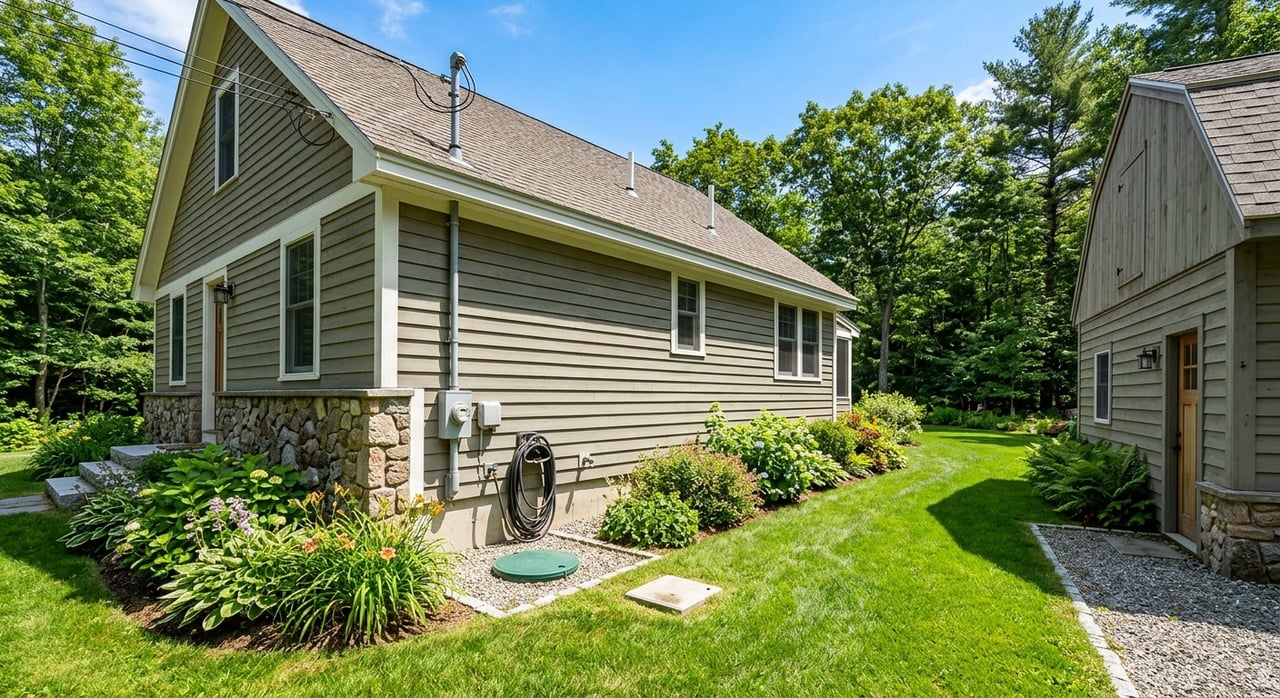
Buying a rural home near Centre Hall can be exciting, but it also comes with a different inspection process than you might expect in a typical neighborhood. When a property includes acreage, a private well, septic, barns, sheds, or a long driveway, you need to look beyond the house itself. The good news is that with the right questions and the right timing, you can spot issues early and move forward with more confidence. Let’s dive in.
Why rural inspections are different
A rural property near Centre Hall often involves more than a standard home inspection. In addition to the condition of the house, you may need to confirm how the water source, sewage system, outbuildings, and site layout fit the property records.
Local rules matter too. Depending on where the parcel sits, the property may fall under Centre Hall Borough rules or a nearby township such as Potter Township, and that can affect sewage approvals, zoning, and accessory structures. For example, Centre Hall Borough has its own sewage ordinance, while Potter Township notes that zoning issues are handled by the Penns Valley Code Enforcement Agency.
Start with the general home inspection
Your first step is usually the general home inspection. This gives you a broad look at the home’s major systems and can help you decide which rural-specific follow-up inspections should happen next.
In many Centre County rural purchases, the house inspection is only the beginning. If the home has a private well and on-lot septic, those systems usually need separate attention early in your contingency period.
Expect private well testing
If a home near Centre Hall uses a private well, testing is usually your responsibility as the buyer to request during due diligence. According to Penn State Extension, private water systems are the homeowner’s responsibility, and there are no government agencies or programs that routinely test private water systems for homeowners.
That is why rural buyers often go beyond a quick taste or odor check. The Pennsylvania Department of Health says wells should be tested when first drilled, after a flood or septic failure, and before moving into a new property, with common tests including bacteria, nitrates, lead, and arsenic.
What water testing may reveal
Water quality issues are not always visible. A well can produce clear water and still need treatment or follow-up.
Penn State’s Centre County drinking-water summary, based on submitted samples, reported total coliform failures in 43.2% and E. coli failures in 12.1% of samples, with iron, manganese, and arsenic also appearing frequently in the submitted sample set. This does not mean those are countywide rates, but it is a useful reminder that a broader lab panel may be wise when you are inspecting a rural property. You can review the Centre County drinking-water testing summary for more context.
Ask for well records
If records exist, ask the seller for the well completion report or driller’s file. The Pennsylvania DEP says those records may be available from the Pennsylvania Geological Survey or the well driller.
These records can help you understand the well’s history and give your inspector or water professional more context. Even if records are limited, asking early can save time later in the transaction.
Review the septic system carefully
A septic inspection is one of the most important parts of buying a rural home. The Pennsylvania DEP explains that an on-lot septic system has three main parts: the tank, the distribution box or dosing tank, and the absorption area.
You should also know the common signs of septic trouble. DEP lists odors, spongy ground, surfacing sewage, alarms, and backups into fixtures as warning signs that deserve immediate attention.
What to ask about septic history
A septic system is easier to evaluate when good records are available. Ask whether the seller can provide permit history, pump-out history, inspection reports, or repair paperwork.
DEP also recommends pumping every 3 to 5 years, annual inspection, and ongoing recordkeeping. If the seller has no documentation, that does not automatically mean the system has failed, but it does mean you should look more closely.
Planned changes can affect septic approval
This point is easy to miss. If you plan to finish space, add bedrooms, or otherwise change how the property will be used, make sure the septic approval still matches that plan.
In Centre Hall Borough, a conversion or modification that increases the number of family units in a building requires a sewage permit and SEO tests under the borough’s sewage ordinance. For buyers, that means the current setup may not automatically support your future plans.
If a replacement system is needed
If the existing system is failing or a new system is needed, approvals matter. DEP’s home-buyer guide says the local Sewage Enforcement Officer reviews site suitability and must approve or deny a complete permit application within seven days, and the permit is valid for three years.
DEP also warns that inadequate soils, a high water table, or steep slopes can make a lot unsuitable for a conventional system. On a rural parcel, that can have a major effect on cost, timing, and whether your plans are realistic.
Check outbuildings and site improvements
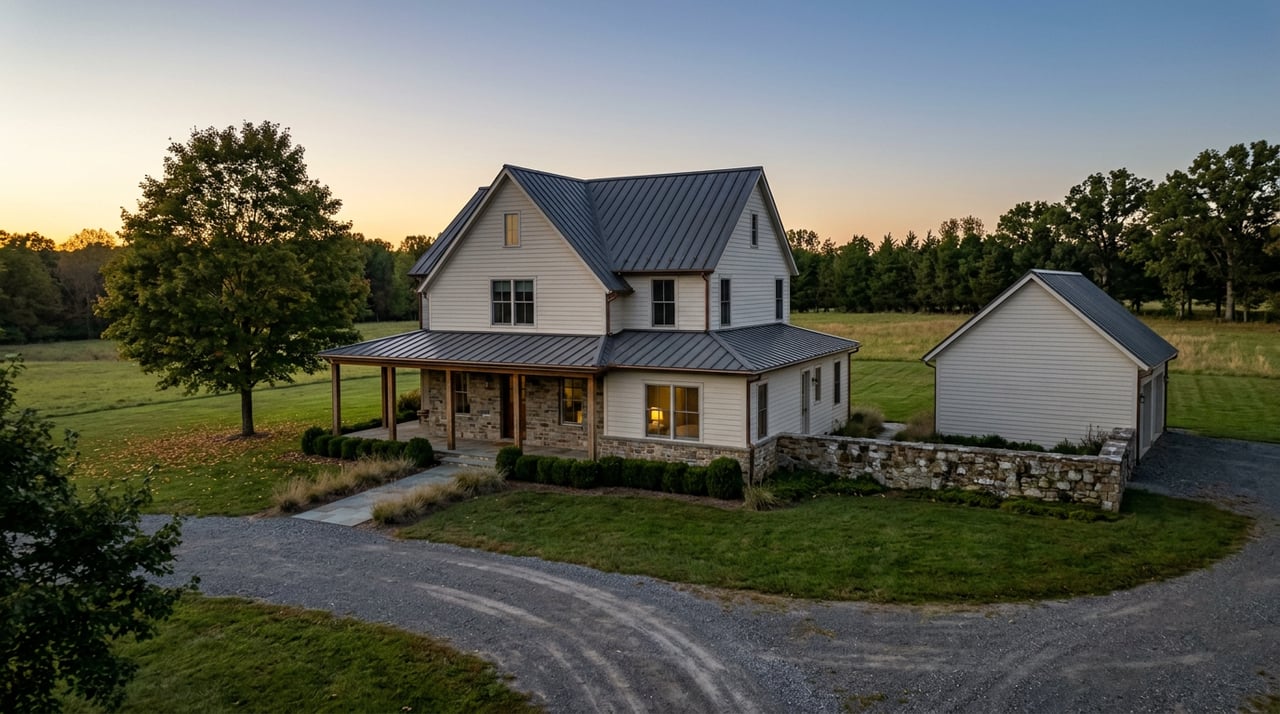
Barns, sheds, garages, and other outbuildings can be a big part of a rural property’s value and usefulness. They can also raise permit and zoning questions, especially if they were added over time.
In Centre Hall Borough, small accessory buildings of not more than 144 square feet and 10 feet high may be allowed in side and rear setbacks if they are at least 8 feet from any lot line. The borough also lists accessory farm buildings, barns, and silos among the height exceptions under its zoning rules.
In nearby Potter Township, the zoning ordinance regulates accessory structures such as small sheds, pergolas, and greenhouses. The township’s zoning packet says applications may require a sketch plan, building plans, and copies of sewer or water, driveway, and well or borehole permits. Potter Township also notes that most new construction, additions, installations, and some repairs need permits, with zoning applications generally decided within 30 days and permits valid for 12 months.
Ask whether permits exist
If the property includes sheds, barns, garages, additions, driveway changes, or grading work, ask whether permits were issued. This is especially important on larger parcels where site improvements may have been completed in phases.
Matching the physical property to the paper trail before closing can help you avoid surprises after settlement. It is much easier to verify these details during your inspection period than after you take ownership.
Look at the full site layout
With rural homes, the land layout matters almost as much as the house. You want to know where the well, septic field, barns, equipment storage, driveway, and any future building areas sit in relation to one another.
Penn State Extension says wells should be at least 50 feet from septic tanks and 100 feet from septic absorption fields, pastures, barnyards, and similar sources. You can review that guidance in Penn State Extension’s information on drilling a new well.
This is especially important if the parcel has livestock, agricultural use, or equestrian features. A site that works well on paper still needs a practical layout that supports water safety, access, and future improvements.
A smart inspection timeline
For many buyers, the easiest path is to inspect in stages. A practical sequence is usually:
- General home inspection
- Water testing early in the contingency period
- Septic review early in the contingency period
- Permit and zoning verification if questions come up
That order helps you identify the big-picture condition first, then dig into the systems that often matter most on rural properties. Since private-well testing is homeowner-run, septic review may involve the SEO, and zoning offices may require separate paperwork, starting early gives you more room to respond.
Key questions before closing
When you are inspecting a rural home near Centre Hall, these are some of the most useful questions to ask:
- Can the seller provide the well completion report, recent lab reports, and the name of the certified lab?
- What septic records exist, including permits, pump-out records, inspections, or repair paperwork?
- Are there permits for sheds, barns, garages, additions, driveway changes, or grading?
- Does the current bedroom count and planned use still fit the septic approval on file?
- If the parcel includes livestock, equipment, or a long driveway, does the site layout appear consistent with well and septic separation guidance?
- Which office should confirm zoning and sewage status for this parcel: the borough, township, SEO, or Penns Valley Code Enforcement Agency?
Why local guidance helps
Rural transactions often have more moving parts than buyers expect. Even when a home looks move-in ready, the well, septic, permits, and parcel layout can shape your decision just as much as the kitchen or roof.
That is why buyer representation matters, especially if you are relocating, buying acreage, or managing the process from out of town. When you have a local advocate helping you coordinate inspections, records, and next steps, it becomes much easier to sort out what is normal, what needs follow-up, and what could affect your plans.
If you are considering a rural home near Centre Hall, Theresa Layton | Yocum Real Estate Centere can help you navigate the inspection process with clear communication, local insight, and buyer-first guidance from showing to closing.
FAQs
What should you inspect first when buying a rural home near Centre Hall?
- Start with a general home inspection, then move quickly into private well testing and septic review during your contingency period.
What water tests matter for private wells near Centre Hall?
- Common tests include bacteria, nitrates, lead, and arsenic, and Penn State Extension recommends yearly coliform bacteria testing for private water systems.
What septic records should you request for a Centre Hall rural property?
- Ask for septic permit history, pump-out records, inspection reports, and any repair paperwork tied to the on-lot system.
What should you know about outbuilding permits near Centre Hall?
- Rules can vary by municipality, so you should verify whether sheds, barns, garages, additions, driveway changes, or grading work were properly permitted.
What if you want to add bedrooms to a rural home near Centre Hall?
- You should confirm that the septic approval on file supports the new bedroom count or planned use, because future changes may require new sewage review or permits.
What offices may be involved in rural property due diligence near Centre Hall?
- Depending on the parcel location and issue, you may need to confirm details with Centre Hall Borough, the township, the local SEO, or Penns Valley Code Enforcement Agency.