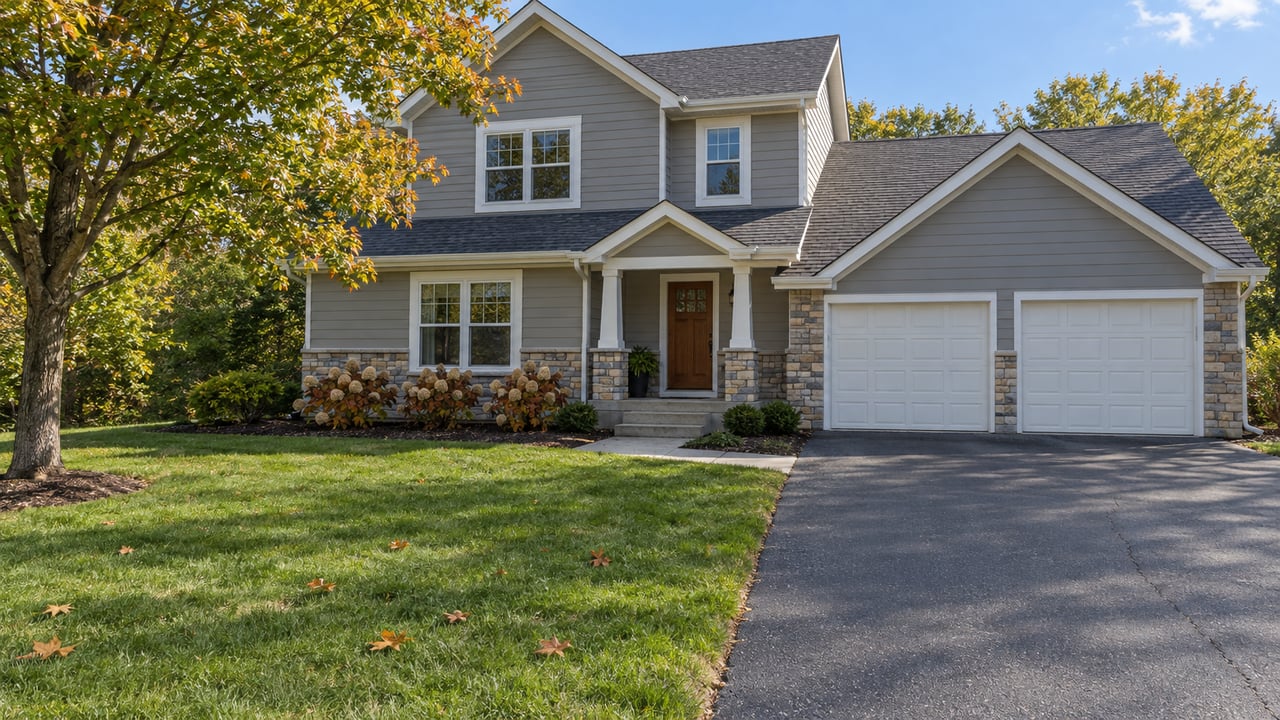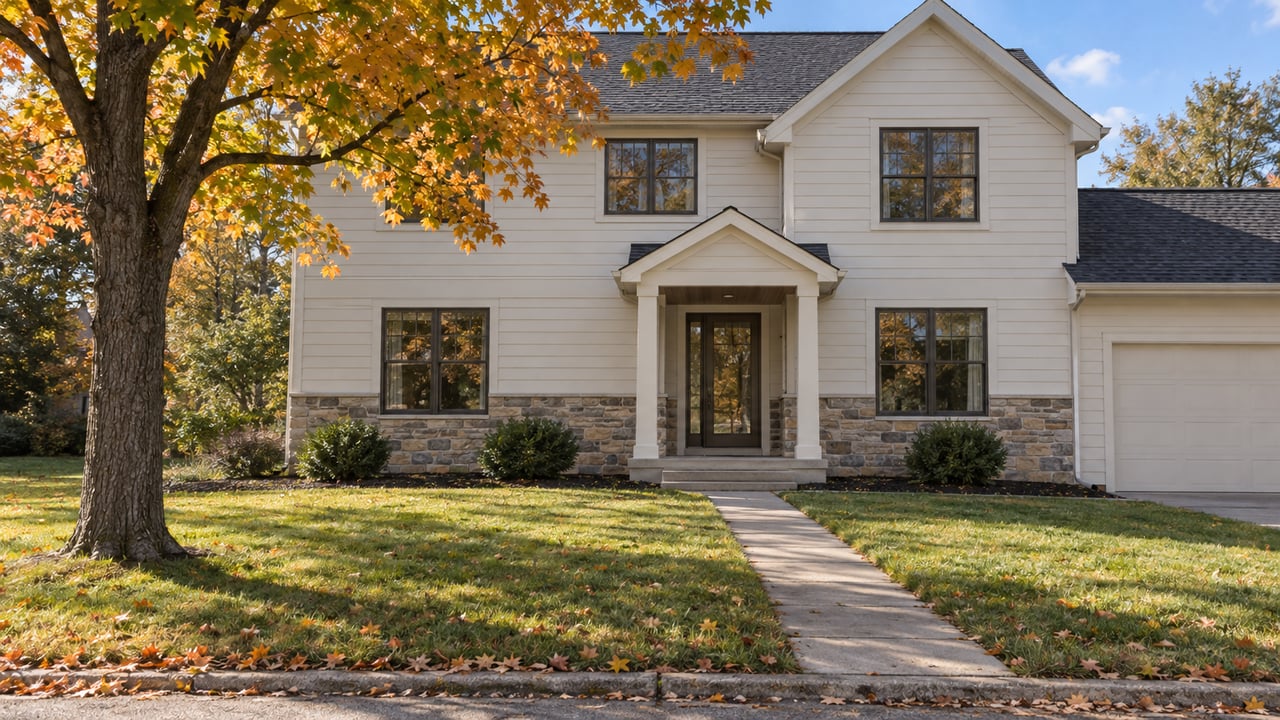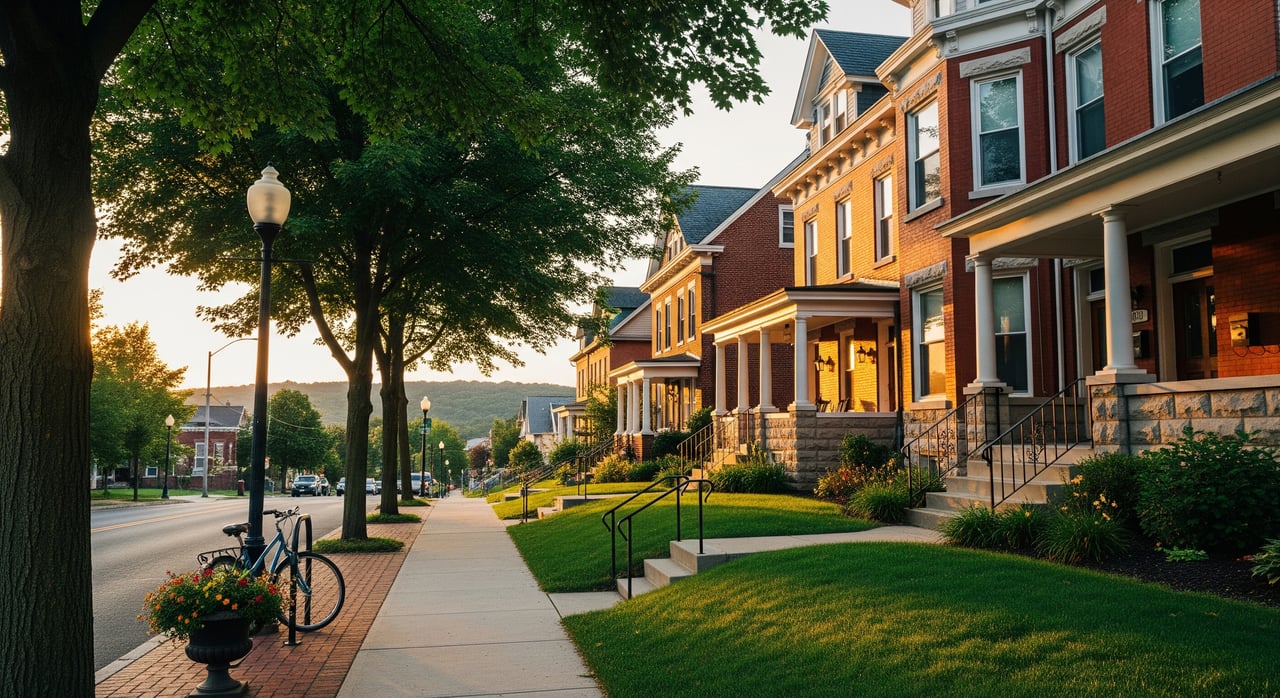
Tired of circling for a parking spot near campus or scheduling your day around the car? If you work with Penn State or want to keep daily errands simple, a walkable home in State College can change your routine in the best way. You can trade traffic for a 10-minute stroll, grab coffee on foot, and step out to dinner without a second thought. In this guide, you’ll learn what “walkable” really means here, where to focus your search, how different property types compare, and a simple checklist to verify walkability on the ground. Let’s dive in.
What “walkable” means in State College
Walkability is about reaching your daily needs on foot in a reasonable time. As a rule of thumb, a 5-minute walk is about 0.25 mile, a 10-minute walk is about 0.5 mile, and a 15-minute walk is about 0.75 mile. Those ranges put coffee, small shops, and bus stops easily within reach, with larger groceries, clinics, and parks often within 10 to 15 minutes.
State College has a compact borough core right beside Penn State’s University Park campus. That creates pockets with high destination density, continuous sidewalks, and frequent transit. As you move farther from the core, streets become more suburban, destinations spread out, and sidewalks may be less continuous.
Season and pace matter. Walking times vary by age, fitness, and terrain, and winter snow or ice can slow you down. Short routes feel different after a snowfall, so plan to test walks in different conditions if you are shopping in colder months.
Where you can live car-light
Primary walkable zone
The most walkable area centers on the downtown College Avenue and Beaver Avenue corridors and the blocks immediately adjacent to campus. From many homes within roughly a 10-minute walk of Old Main, you can reach campus offices, restaurants, coffee, pharmacies, and frequent bus stops. If you want a true park-once lifestyle, this is a smart place to start your search.
Secondary walkable pockets
Farther out in the borough, some streets still offer a mix of services, community amenities, and good transit access. These locations can handle many daily needs on foot, then rely on short bus rides or bikes for the rest. A 10 to 15-minute walk often puts you at a grocery, green space, or a transit stop with frequent service.
More car-dependent areas
Outside the borough or deeper into nearby townships, the layout becomes lower density. Distances grow and sidewalks can be intermittent, so you may rely on a car more often. If you value a larger home or yard, you can still lower car use by targeting spots near key bus routes and by planning errands efficiently.
Housing types you will see
Apartments and condos near the core
Close to campus and downtown, you will find multi-unit buildings, condos, and converted houses. These locations maximize walkability and trim commute time. Expect smaller floor plans and limited off-street parking, with potential association rules to review.
Townhomes and rowhouse-style homes
Townhomes in close-in neighborhoods offer private ownership with a walkable lifestyle. They often balance space, location, and maintenance needs well for busy professionals. Look for clarity on HOA fees, storage, and parking.
Small-lot single-family homes
Detached homes are available but rarer in the most walkable pockets. They usually carry a higher price per square foot and may still have limited driveway or garage space. If outdoor space is a priority, this can be a good fit, but inventory is often tight.
New infill and mixed-use buildings
Select sites have been redeveloped with ground-floor retail and residences above. These buildings put amenities at your doorstep and often include modern systems. Review HOA or building policies, including rental rules, maintenance, and any special assessments.
How walkability shapes price and routine
Expect a price premium and tighter inventory
Homes near campus and downtown usually command a higher price per square foot than more suburban areas. Inventory is limited in the most walkable blocks, and competition can rise during Penn State hiring cycles, grant awards, and football season. Plan for a decisive offer strategy when the right place appears.
Daily life benefits and tradeoffs
If you work on or near campus, you can replace a short drive and parking search with a 10 to 20-minute walk or a quick bike ride. Errands like coffee, pharmacy runs, and quick groceries become simple on foot, which can reduce the need for a second car. Proximity to restaurants and nightlife adds convenience but may increase evening noise, so consider unit orientation and building rules.
Parking and car planning
Off-street parking is often limited in the most walkable areas. Ask about deeded or assigned spaces, residential permit options, and visitor parking logistics. Many buyers keep one car for regional errands and weekend trips while using walking and transit day to day.
Maintenance and management details
Condos and mixed-use buildings typically have HOAs with rules about rentals and short-term stays. Older homes near campus can have deferred maintenance or non-standard systems. Build inspection, potential updates, and any HOA costs into your budget from the start.
How to evaluate walkability step by step
Quick online pre-screen
- Use walkability tools for a first pass, then verify on the ground.
- Review CATA bus routes and Penn State transportation resources for transit coverage and frequency.
- Check borough or township zoning and future development maps to anticipate changes nearby.
- Look at local police reports and community safety maps to understand recent trends.
- Scan commuting data from reputable sources to get a sense of area-wide walk and bike patterns.
On-site walking audit
Visit the property at least three times: a weekday morning, a weekday evening, and a weekend midday. During each visit, walk to a few key destinations and take notes.
- Sidewalks and crossings: continuous sidewalks, curb ramps, marked crosswalks, pedestrian signals at busy intersections.
- Connectivity: direct paths without long detours or cul-de-sacs.
- 5/10/15-minute destinations: coffee, grocery, pharmacy, bank, clinic, transit stops, and green space.
- Micro-topography: hills or stairs that could slow daily trips, especially in winter.
- Lighting and visibility: adequate lighting and active street-level uses for comfort at night.
- Noise and activity: note bar hours, late-night venues, and game-day surges.
- Winter readiness: signs of timely sidewalk clearing and ice management.
- Bike support: bike lanes, sharrows, and secure bike racks at the building.
Questions to ask sellers and agents
- Who is responsible for sidewalk snow and ice removal in front of the property?
- Are there assigned or deeded parking spaces, and is residential permit parking available?
- What are typical utility and HOA costs, and are there any special assessments?
- What is the building’s policy on short-term rentals and tenant turnover?
- Are any nearby projects approved that could change walkability or noise levels?
Inspection checklist for walkable living
- Sidewalk condition, step hazards, and ADA access to the entrance.
- Street-level activity or retail that keeps sidewalks lively and visible.
- Soundproofing between units in multi-unit buildings.
- Building envelope and pest indicators common in older close-in properties.
A day in the life without car stress
Picture this. You leave home 15 minutes before a morning meeting and arrive at your campus office on time with a clear head. At lunch, you walk 8 minutes to pick up a few groceries and a prescription, then enjoy a quiet pocket park on the way back.
After work, friends suggest dinner, and you meet them on foot. No parking app, no meter. Later, you wind down at home while the dishwasher runs, and you realize your car never moved. Your week still includes a regional errand run, but most days are simpler, calmer, and lighter on the wallet.
Winter-proof your walkable plan
- Ask who handles sidewalk snow removal and when it must be completed after a storm.
- Look at sun exposure. North-facing sidewalks can stay icy longer.
- Check building entries, handrails, and exterior lighting for safe winter access.
- Keep traction gear and a shovel or ice melt if you are responsible for your frontage.
- Identify a reliable bus route as a backup on severe weather days.
A simple exercise to compare homes
- Pick a listing and drop a pin on a map.
- Draw 5, 10, and 15-minute walking circles using a half-mile in 10 minutes as a guide.
- List the destinations inside each circle: bus stops, coffee, grocery, pharmacy, clinics, parks.
- Visit at 8 a.m., noon, and 8 p.m. to time the actual walks and note lighting, activity, and noise.
- Repeat for a second property. Compare notes on convenience, comfort, and tradeoffs.
Make your search easier with a local advocate
Finding the right walkable home in State College takes timing, local knowledge, and a clear read on tradeoffs. As a buyer-first Realtor focused on State College and the surrounding Centre County market, I help you target the blocks that match your routine, verify on-the-ground conditions, and craft a strong offer when the right place appears. Whether you are relocating for Penn State or moving across town, you get responsive guidance and a smooth process from search to closing.
Ready to explore walkable options near campus or downtown? Reach out to Theresa Layton | Yocum Real Estate Centere to start your search today.
FAQs
Which parts of State College are most walkable to campus and downtown?
- Focus on the College Avenue and Beaver Avenue corridors and the blocks within about a 10 to 15-minute walk of Old Main, where sidewalks, services, and transit are most concentrated.
Will I be able to live without a car in State College?
- Many residents reduce car use significantly for work and errands, but most keep one car for regional trips, winter storms, and weekend travel.
How much more do walkable homes cost in State College?
- Expect a higher price per square foot and more competition in campus-adjacent areas due to limited inventory and strong demand at certain times of year.
What should I check during a showing to verify walkability?
- Walk to a few destinations within 10 to 15 minutes, inspect sidewalks and crossings, note hills and lighting, and return at night to gauge activity and noise.
How does winter affect walkability in State College?
- Snow and ice can slow even short trips, so confirm who clears sidewalks, assess sun exposure, and have a transit backup for severe weather days.
What are the risks of buying near campus in State College?
- Benefits include convenience and strong rental demand, while tradeoffs can include evening noise, tighter parking, and higher turnover in some buildings.