Trying to picture daily life in State College beyond football Saturdays? If you are relocating for Penn State, planning a family move, or exploring an investment, you want a clear view of the neighborhoods, the pace of life, and what matters when you buy. This guide walks you through the local rhythm, commute options, parks and culture, and the housing details that shape daily living. Let’s dive in.
How Penn State shapes daily life
Penn State’s calendar anchors the town’s energy. Home football games, graduation, concerts, and conferences bring crowds and a fun buzz around Beaver Stadium and the Bryce Jordan Center. You will feel it in traffic, restaurant waits, and hotel availability. To see what is coming, check the Penn State events calendar.
Expect a weekly and seasonal rhythm. Fall and spring semesters are lively, with busy weekday streets and more nightlife. Mid-summer and breaks are calmer, which many buyers appreciate. This cycle also influences rental demand and showing schedules, especially near campus.
Neighborhoods at a glance
Choosing where to live starts with how close you want to be to campus activity. The borough is compact. Many residential options sit in nearby townships with their own services and tax structures.
Downtown and University Park
- Feel: Walkable and active with cafés, restaurants, and cultural spots. The State Theatre and campus venues are nearby.
- Housing: Condos, duplexes, small single-family homes, and rentals are common.
- Fit: You likely value walkability, dining, and a short commute to campus.
- Tradeoffs: Evening noise, limited parking, and smaller yards. For a sense of the business district and events, browse the Downtown State College Improvement District.
Campus-adjacent neighborhoods
- Where: Near North Atherton Street, West College Avenue, and the Holmes-Foster area.
- Feel: More residential than the core, with a mix of owner-occupied homes and student rentals.
- Housing: Older bungalows, Tudors, and split-levels, plus some multifamily conversions.
- Tradeoffs: Parking rules can be strict and activity spikes during move-in and big events.
West, South, and East borough edges
- Feel: Quieter, established streets with local parks and smaller yards.
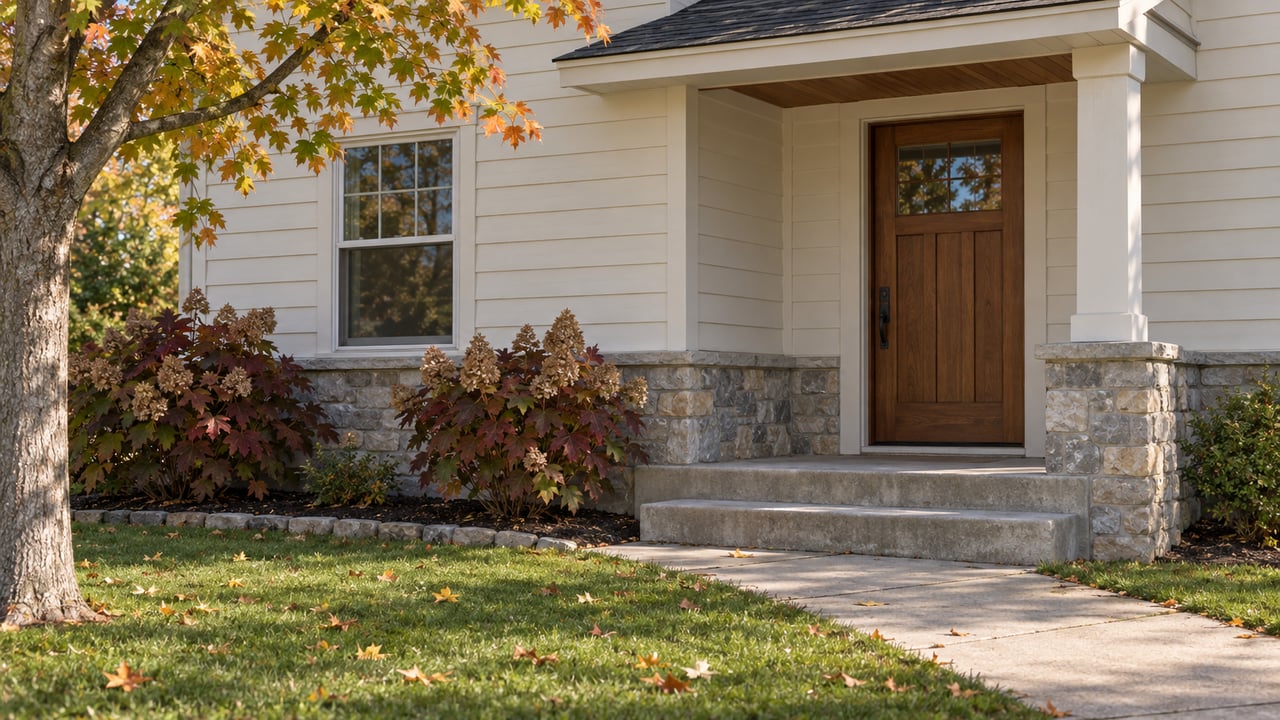
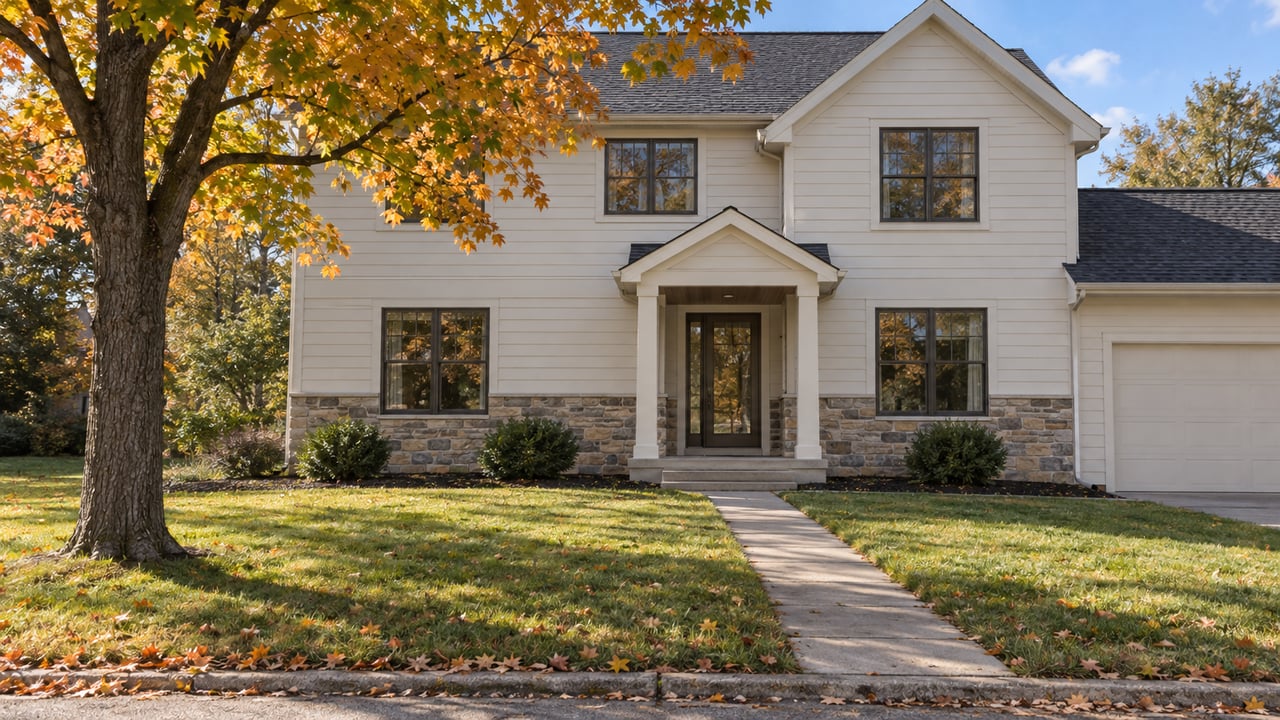
- Housing: Many owner-occupied homes in a range of styles and ages.
- Fit: You want a neighborhood feel and a short drive or bike to downtown and campus.
Surrounding townships: College, Ferguson, Patton, Harris
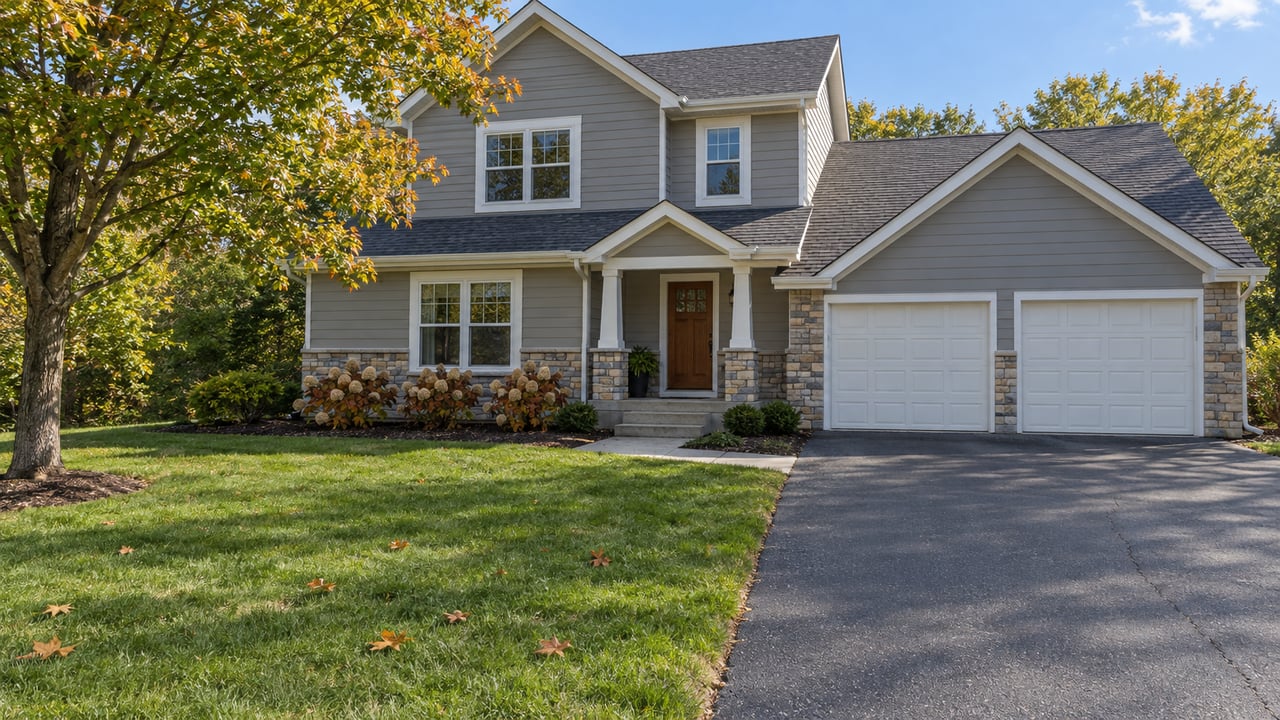
- Feel: Suburban with newer subdivisions, larger lots, and garages. Commercial corridors are more common, especially along North Atherton.
- Housing: Newer single-family homes, planned communities, townhomes, and some age-restricted options.
- Fit: You prefer more space and easy parking. You will drive more for dining and campus events. School district boundaries vary, so confirm assignments before you offer.
Mountain and rural edges
- Feel: Semi-rural to rural settings with privacy and access to hiking and fishing.
- Housing: Larger lots, modern homes, and cabins. Commutes run longer, but outdoor access is a key draw.
Walkability, transit, and parking
Downtown is the most walkable pocket. Outside the core, most daily errands will require a car. If a short commute or game-day access matters, weigh the tradeoff between walkability and private space.
Buses run across the region through the Centre Area Transportation Authority. Routes are frequent during the academic year and adjust for major events. Plan your commute using CATA schedules and maps.
Parking can be tight downtown and around campus. Many homes rely on street permits or paid lots. In suburban neighborhoods you will usually find driveways and garages. Game weekends increase congestion, so plan errands and showings around event times.
Parks, trails, and culture
State College offers quick access to green space. Local parks and fields serve everyday recreation, while nearby forests offer bigger adventures. Explore year-round hiking, trail running, and winter activities in Rothrock State Forest. For organized programs and neighborhood park info, see Centre Region Parks and Recreation.
Cultural life is strong for a town this size. You will find concerts, lectures, and art on campus, plus independent venues downtown. For a taste of the arts, visit the Palmer Museum of Art.
Schools and key services
The State College Area School District serves the borough and parts of the townships. School assignments depend on the exact address, so confirm zones through the SCASD site and boundary resources during your search. Health care is available through local hospitals and clinics in and around the borough.
Grocery stores, home improvement, and general retail cluster along major corridors, especially North Atherton. If you want to walk to everyday shopping, focus on downtown or near key arteries. Otherwise, plan for short drives.
Housing market factors that matter
Every pocket behaves a little differently. Keep these points in mind as you compare homes.
- Buyer profiles: Properties close to campus attract student renters and investors. Owner-occupants often focus a bit farther from campus or on specific condo buildings with quieter settings.
- Price and inventory: Desirable areas can be tight. New listings typically rise in spring and summer. Student cycles and football weekends can shape showing times and offer activity.
- Rental and licensing: If you plan to rent, review municipal rules and registration details with the borough or township. Start with the State College Borough for licensing, property maintenance, and noise standards.
- Taxes and utilities: Property taxes vary by municipality and parcel. Use the county’s resources to review assessments and rates at Centre County government.
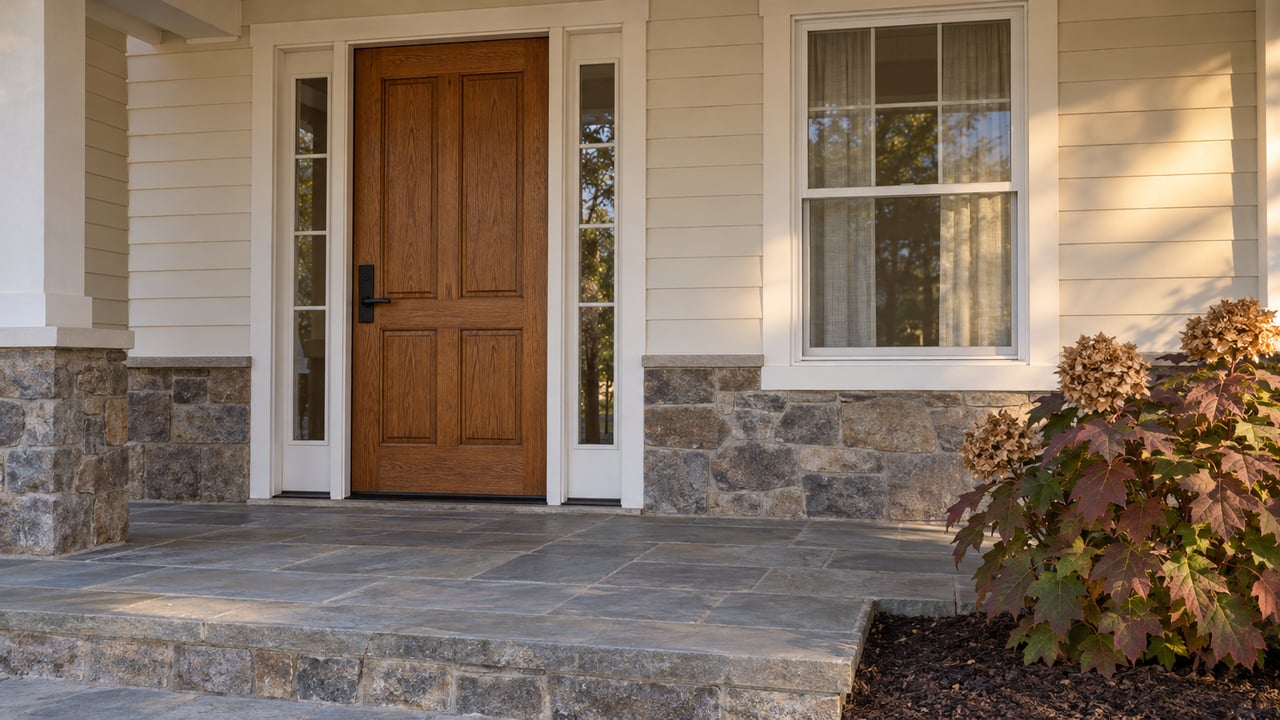
- Weather and maintenance: Winters bring snow and freezing temps. Check roof age, insulation, heating systems, and window efficiency, especially in older homes.
- Inspections: For older properties, watch for foundation settling, outdated electrical panels, plumbing materials, and wear from past rentals.
- Parking and congestion: Downtown properties may lack on-site parking. Confirm permit options and off-street alternatives before you write.
When to shop
Spring and early summer see more listings, especially for family-sized homes. If you need to move on a university timeline, factor in the academic calendar and event days when booking travel and tours. Your strategy may change by neighborhood. Condos near campus can list and sell around student cycles, while suburban homes may follow more traditional seasonal patterns.
Your decision checklist
Use this quick list to clarify your fit before you tour.
- Buyer profile: student, faculty or staff, family, investor, remote worker
- Must-haves: walkability, yard size, garage, commute time to campus
- Noise tolerance: event weekends, nightlife, and weekly activity level
- Parking needs: on-street permit, off-street space, or garage
- School priorities: confirm district and specific school assignments
- Budget and age of home: plan for maintenance or efficiency upgrades
- Rental goals: owner-occupied stability or investment income potential
How we help you buy well
Your best purchase starts with a clear match between lifestyle and location. As a buyer-first Realtor with deep State College and Centre County roots, Theresa listens to your goals, narrows your search to the right pockets, and manages the details from first tour to close. Whether you want a downtown condo, a suburban home with a yard, or acreage that fits your outdoor interests, you will get responsive service backed by local insight.
Ready to talk through your options, timeline, and next steps? Connect with Theresa Layton | Yocum Real Estate Centere to start your plan.
FAQs
Is downtown State College too noisy for everyday living?
- Downtown is the most active area, with nightlife and event traffic. Noise drops as you move even one or two neighborhoods away from campus.
How do I check which State College schools serve a home?
- School assignments are address-specific. Use the district’s resources and boundary tools at the State College Area School District.
What are the main ways to get around without a car?
- The Centre Area Transportation Authority runs frequent routes in the academic year. See CATA maps and schedules to plan commutes and game-day trips.
Where can I find local rules for renting a property?
- Start with the State College Borough for rental licensing, property maintenance, and noise standards. Township rules vary, so confirm details for the exact address.
What outdoor areas are close to State College for hiking?
- You can reach trails in minutes. Explore Rothrock State Forest for hiking, biking, and winter recreation.
When is the best time to buy in State College?
- More listings appear in spring and summer, but timing varies by neighborhood and property type. University schedules and event weekends can shape showings and demand.