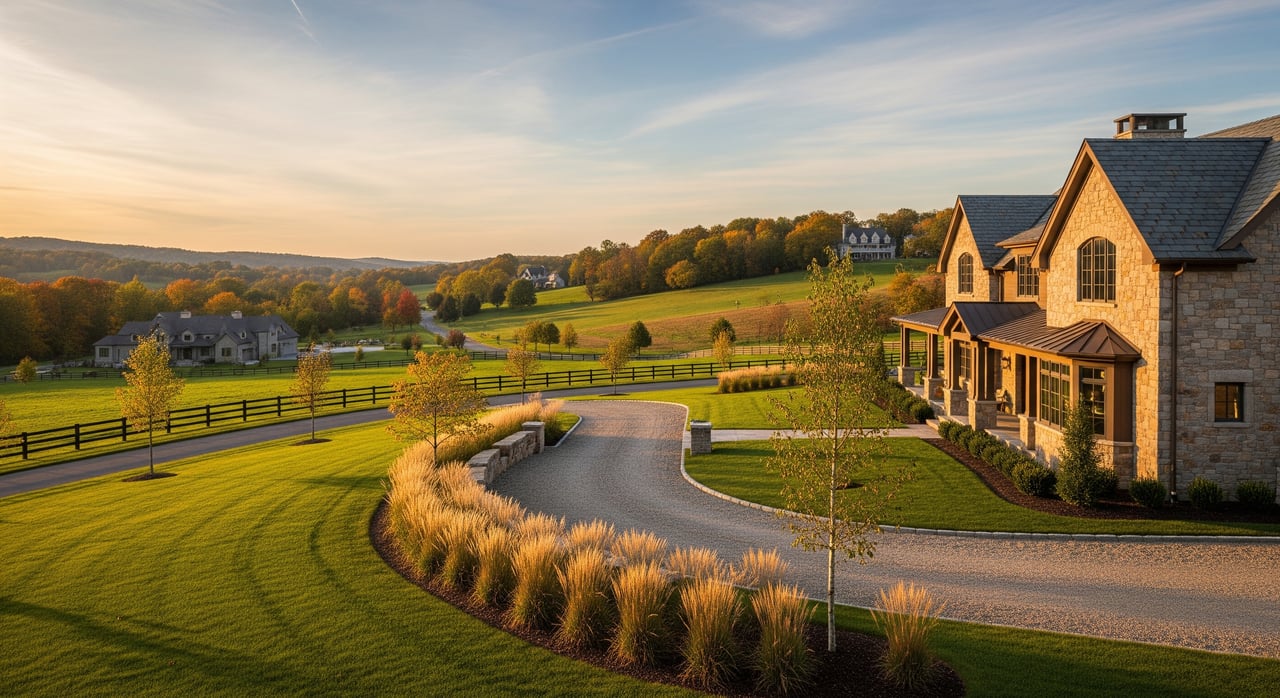
Craving more space without giving up State College convenience? If you are weighing a wooded retreat against the ease of a planned neighborhood near Boalsburg, you are not alone. The right choice depends on how you want to live day to day, how much maintenance you want to handle, and what local rules allow on a given property. In this guide, you will compare acreage and subdivision living around Boalsburg so you can decide with confidence. Let’s dive in.
Boalsburg snapshot: acreage vs subdivision
Choosing between acreage and a subdivision is really a choice between flexibility and convenience. Both options near State College can be great fits, but they serve different priorities.
- Acreage: Privacy, space for hobbies or animals, room for outbuildings, and a quiet setting. You take on more maintenance and often manage private infrastructure like wells, septic systems, and private drives.
- Subdivision: Predictable utilities, shorter maintenance lists, and an HOA that may handle roads or common areas. You trade some flexibility for neighborhood rules and monthly dues.
Proximity to State College supports demand for both, and commute times, utilities, and local services influence value for each option.
Local rules and approvals to know
Land use is set by township-level ordinances. Around Boalsburg, nearby townships include Harris Township and College Township, and each has its own zoning, minimum lot sizes, setbacks, and subdivision processes. Subdivisions are created through formal land-development approvals and often include recorded plats, building envelopes, and covenants. Acreage properties may fall in rural or agricultural zoning and can allow more uses, but splitting land into new lots still requires township approvals and possible road or stormwater upgrades.
If you plan to add structures, start a small agricultural activity, or subdivide later, confirm the zoning rules and any recorded covenants for the exact parcel before you buy.
Utilities and access: what to expect
Water and sewer
- Subdivision homes near State College are more likely to have public water and sewer or community systems. This reduces your direct maintenance.
- Acreage homes commonly rely on private wells and on-lot sewage systems. These require initial site testing and ongoing care.
For fundamentals and best practices, review Penn State Extension resources on private wells and septic systems and Pennsylvania DEP guidance on on-lot sewage systems. You should also budget for septic pump-outs, periodic well checks, and potential replacement costs that vary with soil and site conditions. The U.S. EPA’s septic basics explain how maintenance and system types influence costs.
Roads, driveways, and snow
- Subdivision: Homes typically sit on public or HOA-maintained roads. Snow removal, repairs, and reserves for long-term maintenance are handled by the municipality or included in HOA dues.
- Acreage: Expect longer private driveways and, sometimes, shared private roads. Owners usually handle plowing, grading, culvert clearing, and drainage. Confirm any written road maintenance agreements if access is shared.
Power, broadband, and service distances
Close to State College, electric and communications service is often readily available. On more remote acreage, longer service runs may add cost and time, and broadband options can shift from cable or fiber to fixed wireless or satellite. Verify the available providers for the exact address before you write an offer.
Maintenance and time: the everyday reality
Acreage can be rewarding if you enjoy land stewardship. It also adds recurring tasks that do not exist in most subdivisions.
- Subdivision maintenance: Smaller lawns, straightforward landscaping, and typical exterior upkeep. Common areas are handled by the municipality or HOA.
- Acreage maintenance: Larger mowing areas, field management, fence repairs, tree work, culvert clearing, and storm cleanup. If you keep animals or plan small agricultural uses, you will add chores like manure management, barn maintenance, and pasture care.
Owners on acreage often budget for bigger equipment or seasonal contractors. Fuel, maintenance, and occasional heavy work add to annual costs. Private well and septic systems also need routine attention, and replacement timelines depend on system type and site conditions. For general guidance, consult EPA septic basics and Penn State Extension homeowner resources.
Ownership and restrictions: freedom vs oversight
HOAs and covenants
Subdivisions commonly include CC&Rs and an HOA. These rules can regulate exterior design, fencing, pets, landscaping, and accessory buildings. They promote predictable aesthetics but limit your flexibility. Rural acreage may have no HOA, though some rural developments still impose covenants. Without an HOA, you usually have more freedom, subject to zoning.
Easements, access, and mineral rights
Acreage often includes utility easements, rights-of-way for access, or shared driveways. Some parcels have timber, gas, or mineral rights that were reserved by a prior owner. Always review the deed and survey for easements, access rights, and any reserved subsurface rights before closing.
Subdividing potential
If you hope to create future lots, start with the township’s subdivision rules. Many townships require road standards, stormwater controls, and minimum lot sizes, and approvals can be time-consuming and costly. Conservation easements can also restrict development and influence value.
Dollars and resale: what drives the numbers
Financing paths
- Homes on acreage usually qualify for standard residential loans if the property meets lender guidelines.
- Unimproved land, or lots you plan to build on later, may require specialized lot or construction loans and larger down payments.
- Depending on location and buyer eligibility, USDA Rural Development programs can be an option for qualifying rural areas.
Discuss your goals with your lender early, especially if the property has large acreage, unique outbuildings, or private infrastructure.
Operating costs and taxes
Property taxes reflect assessed land and improvements. Large tracts can have higher total tax bills even if per-acre values are modest. On acreage, plan for private road upkeep, equipment costs, and potential well or septic repairs. In subdivisions, factor in HOA dues for shared amenities and services.
Resale dynamics
Subdivision homes near State College often appeal to a wider buyer pool focused on convenience and lower maintenance. Acreage attracts buyers who value privacy or have specific land needs, which can affect time on market. Unique features such as views, proximity to amenities, or usable pasture can support stronger pricing.
Environmental checks and site risks
Centre County soil and drainage conditions vary. Poor percolation can trigger advanced septic designs or higher installation costs. Always confirm floodplain status using the FEMA Flood Map Service Center. Wetlands or regulated streams may limit buildable areas or require permits for disturbance, which are regulated by the Pennsylvania DEP. Wooded acreage also brings forest management and invasive species considerations, and Penn State Extension landowner resources can help you understand best practices.
Buyer checklist for the Boalsburg area
Use this checklist to validate the fundamentals before you make an offer:
- Confirm township zoning for permitted uses, accessory structures, and setbacks.
- Review any recorded covenants, HOA documents, and dues structures.
- Verify water and sewer: public connection rules or, if private, well logs and septic permits or test results.
- Obtain a recent survey and review all easements and rights-of-way.
- Clarify access: public road vs private drive, snow removal, and any shared maintenance agreements.
- Check floodplain and wetlands using FEMA maps and consult DEP resources for regulated waters.
- Confirm mineral and timber rights status from the deed.
- Price out utility extensions if service lines are distant and check broadband options for the address.
- Ask about stormwater responsibilities, especially if you plan grading or new structures.
- Evaluate insurance needs, including coverage for outbuildings, equipment, and any agricultural activity.
- Discuss financing early if the property includes significant acreage or is unimproved land.
Which is right for you?
Choose acreage if you want privacy, space for hobbies or animals, and the flexibility to add outbuildings, and you are comfortable budgeting time and money for land care and private systems. Choose a subdivision if you prefer public utilities, predictable maintenance, and neighborhood oversight that supports consistent appearance and shared services.
If your goal is a quiet setting within easy reach of State College amenities, you can find both options around Boalsburg. The best fit depends on how you value convenience, freedom, and long-term costs. A local, buyer-focused plan will help you compare specific properties on the details that matter most.
Ready to explore both paths with local guidance and a clear checklist? Let’s talk through your wish list, timelines, and trade-offs so you can buy with confidence. Reach out to Theresa Layton | Yocum Real Estate Centere to start a focused search in and around Boalsburg.
FAQs
What are the biggest utility differences between acreage and subdivisions near Boalsburg?
- Subdivisions often have public water and sewer, while acreage commonly relies on private wells and septic systems that you must maintain. Review fundamentals with Penn State Extension and PA DEP on on-lot systems.
How do private roads and long driveways affect ownership on acreage?
- You are typically responsible for grading, snow removal, drainage, and repairs unless a road association or HOA manages them. Get any shared road maintenance agreement in writing and review before closing.
What should I check before buying land with a septic system near State College?
- Confirm permits, soil testing, and recent pump or inspection records. Understand potential replacement types and costs using EPA septic basics and Penn State Extension resources.
Can I subdivide a large parcel around Boalsburg in the future?
- Possibly, but township subdivision rules control minimum lot sizes, road and stormwater standards, and approval timelines. Zoning and any conservation easements will determine what is feasible.
How do financing options differ for acreage and land purchases in Centre County?
- Homes on acreage often qualify for standard mortgages. Unimproved land or construction projects may need lot or construction loans. Some rural areas may qualify for USDA Rural Development programs, depending on buyer eligibility and property location.
Will an HOA limit what I can do to my property in a subdivision near Boalsburg?
- Yes, CC&Rs can regulate exterior changes, fencing, landscaping, and accessory buildings. Ask for the full documents and enforcement process, and confirm dues and any planned assessments.